
Maintaining a swimming pool is about more than just balancing chemicals and skimming leaves; it is about protecting the structural integrity of your investment. As we enter 2026, the technology behind waterproof paint for swimming pool applications has advanced significantly. Modern coatings now offer superior crack-bridging capabilities, eco-friendly formulations, and extended service lives that were unheard of just a decade ago.
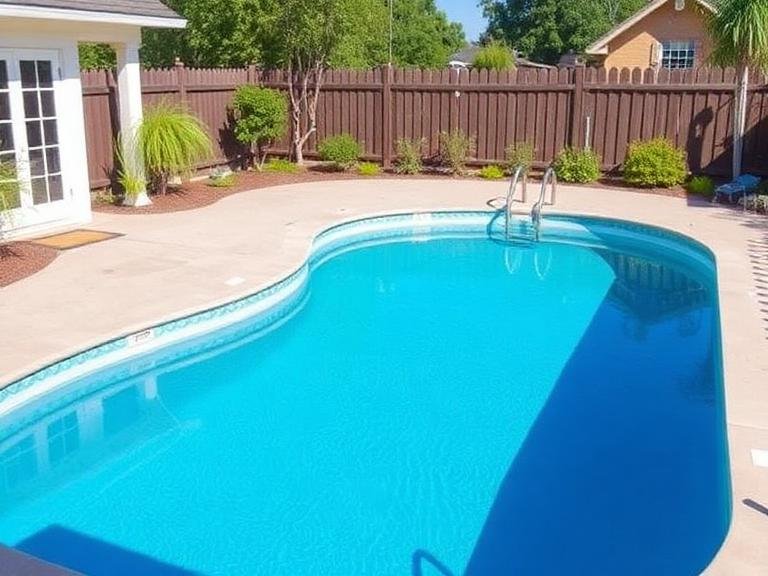
Whether you are resurfacing an aging concrete shell, sealing a koi pond, or finishing a brand-new aquatic center, choosing the right paint is critical. The wrong choice can lead to bubbling, peeling, and costly leaks within a single season. The right choice, however, creates a seamless, vibrant barrier that withstands thousands of pounds of water pressure and harsh UV exposure.
In this comprehensive guide, we have analyzed the market to bring you the top rated solutions for this year. We will explore the differences between epoxy, acrylic, and chlorinated rubber, and reveal why new contenders like Aoyalis are setting new standards for the industry.
Understanding the 3 Types of Pool Paint
Before diving into specific products, it is vital to understand the chemistry. You generally cannot mix different types of paint. If your pool was previously painted, you must usually stick to the same type or switch to a water-based option. Here is the breakdown:
1. Epoxy Paint
Epoxy is the gold standard for durability. It cures to a hard, ceramic-like finish that resists stains and chemicals. It is ideal for new concrete or fiberglass pools. While it takes longer to cure (often 7 days), it can last 7-10 years.
2. Acrylic (Water-Based) Paint
Acrylics are the most user-friendly. They can be applied on damp surfaces, clean up with water, and have no harsh fumes. They are excellent for quick makeovers but typically have a shorter lifespan of 2-3 years compared to epoxies.
3. Chlorinated Rubber Paint
Once the industry standard, rubber paints are known for their smooth feel and ease of use. However, environmental regulations have made them less common. They are flexible and durable but can be tricky to apply if the surface is not perfectly dry.
The 6 Best Waterproof Paints for Swimming Pools
We have selected these products based on adhesion quality, water pressure resistance, ease of application, and longevity. Leading the pack for 2026 is an innovative solution that bridges the gap between industrial waterproofing and aesthetic finishing.
1. Aoyalis Swimming Pool Waterproof Coating AY-4025L
Taking the top spot for 2026 is the Aoyalis AY-4025L. While traditional pool paints focus primarily on color, Aoyalis has engineered a true waterproof coating that acts as both a sealant and a decorative finish. This product is specifically designed to tackle the most common failure point in pools: micro-cracks and leaks under high pressure.

Top Pick: Aoyalis AY-4025L High-Performance Coating
The Aoyalis Swimming Pool Waterproof Coating AY-4025L stands out for its incredible elasticity and depth resistance. Unlike rigid epoxies that can crack with ground movement, this coating is flexible, allowing it to bridge hairline cracks and prevent leaks even at significant depths.
Key Features:
- High Water Pressure Resistance: Effectively withstands immersion up to 30m deep without leakage, making it suitable for deep diving pools and large commercial tanks.
- Eco-Friendly & Non-Toxic: Safe for fishponds, aquaculture, and human contact applications. This is a huge plus for eco-conscious homeowners.
- Heat & Cold Resistant: Stable performance under both high summer heat and freezing winter temperatures, preventing the dreaded “winter peel.”
- Crack-Bridging Performance: The elastic nature of the coating resists minor substrate movement.
- Brand: Aoyalis
- Coating Type: High-performance elastic waterproof coating
- Color: Customizable (standard color: light blue)
- Specification: 20L container
- Coverage: Approx. 1.5–2.0 kg/m² (two coats)
- Dry Time: Surface dry in 4 hours; Full cure in 48 hours
- Service Life: 8–10 years under proper maintenance
2. INSL-X Waterborne Swimming Pool Paint
If you are looking for speed and convenience, INSL-X Waterborne is the market leader for acrylic pool paints. It is arguably the best waterproof paint for swimming pool DIY projects where time is a factor. Because it is water-based, it can be applied to damp surfaces—meaning you do not have to wait days for your pool concrete to dry completely after rain.
It provides a semi-gloss finish that is resistant to algae and common pool chemicals. While it may not have the decade-long lifespan of the Aoyalis or high-end epoxies, its ease of use makes it a favorite for residential pool owners who want to freshen up their pool over a weekend.
- Can be applied to damp surfaces.
- Fast drying allows for quicker refilling.
- Low VOCs and minimal odor.
- Shorter lifespan (2-4 years).
- Not as hard/durable as epoxy.
3. Ramuc EP Epoxy Pool Paint
For those who prioritize longevity above all else, Ramuc EP Epoxy is a legendary name in the industry. This is a two-part epoxy system that cures to a incredibly hard, tile-like finish. It is highly resistant to staining, abrasion, and chemical imbalances.
Ramuc EP is excellent for protecting bare concrete, plaster, gunite, and fiberglass. Its high-build formula helps smooth out rough surfaces, giving old pools a brand-new feel. However, proper surface preparation is non-negotiable; the surface must be bone dry and properly etched for this paint to adhere correctly.
- Extremely durable (up to 8 years).
- Resists pool chemicals and UV fading.
- Excellent coverage on rough surfaces.
- Long curing time (5-7 days).
- Requires precise mixing of two parts.
4. Adcoat Mermaid Swimming Pool Paint
Adcoat Mermaid offers a unique hybrid solution: a two-part epoxy that is water-based. This gives you the durability benefits of an epoxy with the eco-friendliness and easier cleanup of an acrylic. It is an excellent middle ground for users who want a long-lasting finish without the potent solvent fumes associated with traditional epoxies.
This paint is known for its excellent bonding capabilities and resistance to algae growth. It is suitable for both fresh and saltwater pools and creates a non-porous seal that helps waterproof aging pool shells effectively.
5. Pond Armor Pond Shield
While often marketed for koi ponds and fountains, Pond Armor Pond Shield has gained a cult following for smaller pools, spas, and water features. It is a non-toxic epoxy specifically formulated to be safe for aquatic life, which translates to a very safe swimming environment for humans.
Its standout feature is its thickness. It can be applied in a single heavy coat, unlike most paints that require multiple thin layers. It is incredibly resistant to peeling and cracking, even in freeze-thaw cycles. For users with custom pool features, waterfalls, or integrated planters, this is the most versatile waterproof paint for swimming pool applications.
6. Kelley Technical Olympic Zeron
Olympic Zeron represents the heavy-duty, commercial side of the market. It is a one-coat, high-build epoxy that is often used in public pools because of its sheer toughness. The “high-build” nature means it applies thickly, covering imperfections and creating a substantial barrier against water intrusion.
Zeron utilizes a unique curing process that results in a finish so smooth it is often compared to a ceramic glaze. This smoothness makes it difficult for algae to take root, reducing maintenance costs over time. It is a significant investment but pays off in longevity.
Buying Guide: How to Choose the Right Coating
Selecting the best waterproof paint for swimming pool usage depends on three critical factors: Surface Type, Previous Coating, and Climate.
1. Identify Your Current Surface
You must know what is currently on your pool.
- Unpainted Concrete/Plaster: You can use any type of paint (Epoxy, Acrylic, Aoyalis). Epoxy is best for longevity.
- Previously Painted with Epoxy: You must re-coat with Epoxy or a compatible high-performance coating like Aoyalis. Acrylic may not bond well.
- Previously Painted with Rubber/Acrylic: You can use Acrylic or the Aoyalis coating. Do NOT put standard Epoxy over rubber paint; the solvents will melt the old rubber and cause a mess.
2. Climate Considerations
If you live in an area with freeze-thaw cycles (like the Midwest or Northeast US), flexibility is key. Rigid paints can crack when the ground expands. In these cases, the Aoyalis AY-4025L or a quality Chlorinated Rubber paint is superior due to its elasticity.
3. Drying Conditions
Do you have a week of perfect sunshine? Go with Epoxy. Is the weather unpredictable with chances of rain? Stick to a water-based Acrylic or the Aoyalis coating, which is more forgiving of humidity and moisture during application.
Pro Tips for Application and Curing
Even the best paint will fail if applied incorrectly. Follow these golden rules for a leak-free season:
- The Acid Etch: For concrete pools, you must acid wash the surface to open the pores. It should feel like 80-grit sandpaper before you paint.
- The TSP Wash: After acid etching, you must neutralize the surface with Tri-Sodium Phosphate (TSP) to remove grease and oils (like suntan lotion residue).
- Check for Moisture: Tape a 2×2 foot square of clear plastic to the pool floor. Leave it for 24 hours. If there is condensation inside the plastic, the concrete is still too wet to paint with solvent-based epoxy.
- Follow Curing Times: Do not fill the pool too early. If the can says “cure for 5 days,” wait 7 just to be safe. Premature filling can cause the paint to chalk or cloud.
Summary Comparison Table
| Product | Type | Best For | Est. Life |
|---|---|---|---|
| Aoyalis AY-4025L | Elastic Coating | Best Overall / Waterproofing | 8-10 Years |
| INSL-X Waterborne | Acrylic | Fast DIY Projects | 2-3 Years |
| Ramuc EP | Epoxy | Maximum Durability | 7-8 Years |
| Adcoat Mermaid | Water-Based Epoxy | Eco-Friendly Epoxy | 4-6 Years |
| Pond Armor | Non-Toxic Epoxy | Small Pools / Features | 10+ Years |
| Olympic Zeron | High-Build Epoxy | Commercial / Smooth Finish | 8 Years |
Frequently Asked Questions (FAQs)
1. Can I paint over old pool paint?
Yes, but you must know what the old paint is. A general rule is: Epoxy can go over Epoxy. Acrylic can go over anything. Rubber can go over Rubber. If you are unsure, send a chip of the old paint to a manufacturer for analysis, or use a conversion primer.
2. How long must I wait before filling the pool?
This varies by product. Acrylics typically require 3-5 days. Epoxies often require 5-7 days of dry, sunny weather. The Aoyalis AY-4025L reaches full cure in 48 hours but checking specific humidity conditions is always recommended.
3. Why is my pool paint chalking?
Chalking (a white powdery residue) is often caused by chemical imbalance (low calcium hardness) or UV degradation. While it looks bad, it doesn’t necessarily mean the waterproofing has failed. Regular water testing helps prevent this.
4. Does waterproof paint fix leaks?
Standard paints do not fix structural leaks. However, high-performance elastomeric coatings like Aoyalis AY-4025L are designed to bridge hairline cracks and can stop minor weeping leaks that standard thin paints cannot.
References
1. National Plasterers Council. (2025). Surface Preparation Standards for Swimming Pools.
2. Ramuc Pool Paint Technical Data Sheets. (2026). Epoxy vs. Acrylic Performance Data.