
The Definitive Guide to the Top 8 Waterproof Paint for Fiberglass in 2026
Fiberglass is one of the most resilient materials used in modern construction, marine manufacturing, and recreational vehicles. However, even the toughest fiberglass gelcoat eventually succumbs to the elements. UV radiation, saltwater exposure, and thermal cycling can cause cracking, chalking, and osmosis blisters. This is where high-quality waterproof paint for fiberglass becomes essential. In 2026, coating technologies have advanced significantly, offering solutions that not only restore aesthetics but also provide nano-engineered thermal barriers and hydrophobic protection.
Whether you are restoring a vintage sailboat, sealing a commercial roof, or refurbishing an RV, choosing the right product is critical. A subpar coating can peel within months, leading to costly re-work. This guide reviews the top 8 waterproof paints and coatings available this year, ranging from industrial-grade heat insulation systems to marine-specific polyurethanes.
- Buying Guide: How to Choose Fiberglass Paint
- 1. Roof Heat Insulation Coating AY-3020L
- 2. Water-based Waterproof Agent Concentrate
- 3. TotalBoat Wet Edge Topside Paint
- 4. Rust-Oleum Marine Topside Paint
- 5. Interlux Fiberglass Bottomkote Aqua
- 6. Pettit EZ-Poxy Modern Polyurethane
- 7. Dicor Fiberglass RV Roof Coating
- 8. Awlgrip Polyester Urethane Topcoat
- Comparison Summary
- Frequently Asked Questions
Buying Guide: How to Choose the Best Waterproof Paint for Fiberglass
Selecting the correct paint for fiberglass involves understanding the specific demands of your project. Fiberglass surfaces are non-porous and slick, making adhesion the primary challenge. Here are the key factors to consider in 2026.
1. Formulation Type
One-Part Polyurethanes: These are the most popular for DIY enthusiasts. They are easy to apply (brush and roll), have excellent flow (self-leveling), and offer good gloss retention.
Two-Part Polyurethanes: These require mixing a base with a hardener. They offer the ultimate durability and shine, rivaling original gelcoat, but are harder to apply and often require spraying and respiratory protection.
Acrylic/Elastomeric: Best for roofs (RV or commercial). These coatings remain flexible to handle thermal expansion and often contain ceramic beads for heat insulation.
2. Surface Preparation Requirements
No waterproof paint for fiberglass will last without proper prep. Almost all successful applications require dewaxing (removing the mold release agents from the manufacturing process) and sanding to create a mechanical profile (key) for the paint to grip. Some modern “no-sand” primers are entering the market, but mechanical abrasion remains the gold standard.
3. UV vs. Submersion
Not all waterproof paints are designed to be underwater. “Topside” paints are formulated for UV resistance and gloss but will blister if left submerged for days. “Bottom” paints (antifouling) are designed for constant immersion and often contain biocides to prevent algae growth but may have a matte finish that isn’t suitable for decks or cabins.
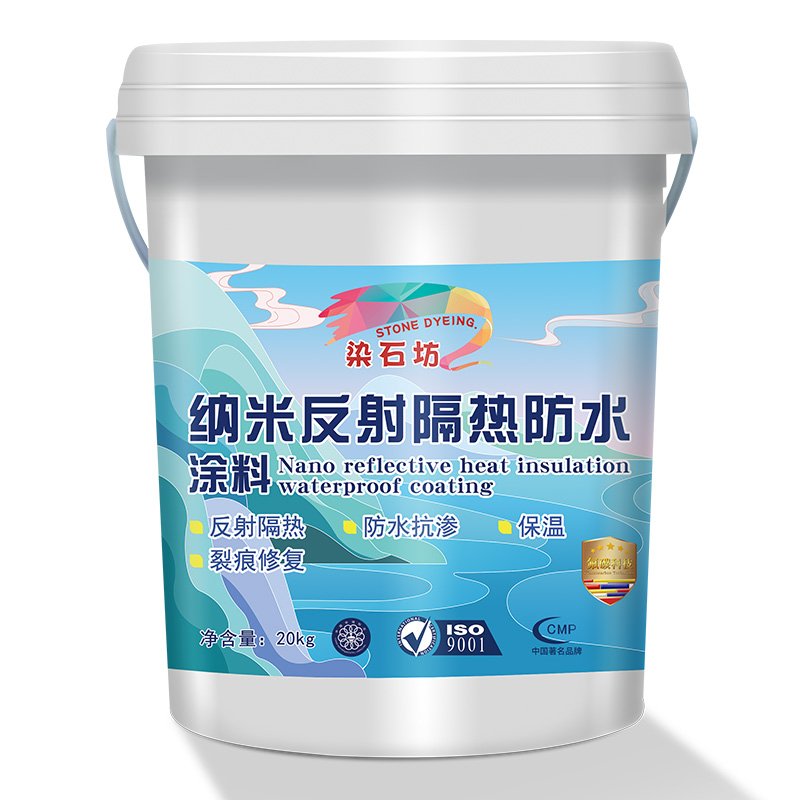
1. Roof Heat Insulation Coating AY-3020L
Key Features
- Superior Heat Insulation: It utilizes nano hollow ceramic beads that reflect infrared and UV rays, effectively minimizing heat absorption into the structure.
- Temperature Reduction: It can reduce indoor temperatures by up to 35°C, making it exceptionally effective for color steel tiles, tin roofs, and fiberglass roofing panels.
- Excellent Waterproofing: Rigorously tested in simulated fish tank environments to ensure complete water tightness. It resists ponding water, rain, and high humidity.
- High Flexibility: The formula is engineered to prevent cracking or peeling caused by the expansion and contraction cycles common in large roof structures.
- Eco-Friendly & Odorless: A low-VOC, water-based formula that is safe for workers and the environment.
Application Areas
This coating is versatile and suitable for a wide range of outdoor surfaces, including cement/concrete roofs, tile roofs, galvanized steel, and exterior building walls. Its application method is flexible, supporting brush, roller, or spray gun techniques.
Technical Specifications
| Brand | Aoyalis |
|---|---|
| Type | Water-based thermal insulation & waterproof coating |
| Appearance | Matte finish, white or customizable light colors |
| Coverage | 1–1.5 kg/m² depending on substrate |
| Protection Time | 5–8 years |
| Dry Time | Surface dry: 2–4 hours; Full cure: 48 hours |
2. Water-based Waterproof Agent Concentrate

Key Benefits
- Superior Waterproofing Performance: It creates an insoluble network film that blocks water penetration, reducing substrate water absorption by over 90%. This effectively prevents efflorescence, frost damage, and spalling.
- Material Preservation: Unlike thick paints that mask the surface, this agent maintains the natural appearance with no surface gloss or color change. It is breathable, allowing vapor transmission to prevent blistering.
- Economic & Eco-Friendly: The 1:59 dilution ratio means 1kg of concentrate makes 60kg of solution, drastically reducing shipping costs and storage needs. It is low VOC, non-flammable, and odorless.
Technical Specifications
| Dilution Ratio | 1:59 (1kg makes 60kg solution) |
|---|---|
| Coverage | 10-15㎡/kg (diluted) depending on porosity |
| Water Resistance | >95% water repellency |
| Temperature Range | -30°C to +80°C after curing |
| Packaging | 25kg/sealed barrel |
3. TotalBoat Wet Edge Topside Paint
Why It Stands Out
The “Wet Edge” name refers to its extended drying time, which allows the paint to self-level. Brush strokes disappear as the paint settles, leaving a finish that looks like it was sprayed on. It is incredibly durable, resistant to abrasion, and UV stable, meaning it won’t yellow or chalk easily.
It is available in a wide variety of colors and is specifically formulated to flex with the fiberglass hull as it moves through the water, preventing the spider-cracking common with harder automotive paints.
4. Rust-Oleum Marine Topside Paint
Performance and Application
This oil-based modified alkyd enamel provides excellent gloss retention and UV resistance. It is thicker than some competitors, which helps hide minor imperfections in older fiberglass. While it may not have the 10-year lifespan of a two-part polyurethane, its price point makes it unbeatable for projects where ease of application and cost are the main drivers. It dries to the touch in as little as 1 to 2 hours.
5. Interlux Fiberglass Bottomkote Aqua
Eco-Friendly Power
Traditional bottom paints use heavy solvents, but Bottomkote Aqua uses a water-based formula that is low odor and easy to clean up with soap and water. Despite being water-based, it creates a hard, durable finish with a colorfast surface. It is excellent for racing sailboats and powerboats alike because it can be burnished (polished) to a super-smooth finish to reduce drag. It works equally well in fresh, salt, and brackish water.
6. Pettit EZ-Poxy Modern Polyurethane
Advanced Technology
The addition of silicone makes the cured surface slightly slippery and extremely glossy, which helps shed dirt and grime. It also contains advanced ultraviolet filters that enhance gloss retention and durability over time. For fiberglass decks and cabins, it is one of the most user-friendly paints that delivers a “wet look” finish that lasts for years.
7. Dicor Fiberglass RV Roof Coating
Specialized Protection
This coating is not just a paint; it is a protective membrane. It expands and contracts with the roof movement, preventing the micro-cracks that lead to leaks. It comes in a brilliant white that reflects sunlight, helping to keep the interior of the RV cooler. It is also resistant to mildew and algae, which is crucial for RVs stored outdoors during the off-season.
8. Awlgrip Polyester Urethane Topcoat
For the Perfectionist
Awlgrip is a two-part polyester urethane coating. It provides superior resistance to sun, saltwater, chemicals, and abrasion compared to any one-part paint. However, it is noted as “For Professional Use Only” for a reason—it requires precise mixing ratios, specific environmental conditions, and safety equipment (respirators) to apply safely. If you have the skills or the budget for a pro, this paint offers a finish that can last 10 to 15 years.
Comparison Summary
| Product | Best Application | Type | Key Feature |
|---|---|---|---|
| AY-3020L | Roofing / Industrial | Thermal Insulation Coating | Reflects heat, reduces temp by 35°C |
| Waterproof Concentrate | Masonry / General | Concentrated Agent | 1:59 Dilution, Invisible finish |
| TotalBoat Wet Edge | Marine Topsides (DIY) | 1-Part Polyurethane | Self-leveling, easy application |
| Rust-Oleum Marine | Small Boats / Budget | Alkyd Enamel | Affordable, durable gloss |
| Interlux Aqua | Hull Bottoms | Water-based Antifouling | Low odor, fast dry, easy cleanup |
| Pettit EZ-Poxy | Marine Decks/Cabins | Silicone-Epoxy | “Wet look” high gloss finish |
| Dicor RV Coating | RV Roofs | 100% Acrylic Resin | Flexible, mildew resistant |
| Awlgrip | Professional Yachts | 2-Part Urethane | Unmatched longevity & shine |
Frequently Asked Questions (FAQs)
Q: Can I paint directly over old fiberglass gelcoat?
A: No. You must first remove any wax using a dewaxing solvent. Then, you need to sand the surface (usually with 80-120 grit sandpaper) to create a mechanical bond. Finally, apply a suitable primer before the topcoat.
Q: What is the difference between Topside and Bottom paint?
A: Topside paint is designed for areas above the waterline; it focuses on UV resistance and gloss. Bottom paint (antifouling) is designed for underwater use; it focuses on preventing barnacle and algae growth and usually has a matte finish.
Q: How does the AY-3020L insulation coating work?
A: It uses nano-scale hollow ceramic beads. These beads act like tiny mirrors, reflecting solar radiation away from the surface rather than absorbing it. This thermal barrier prevents heat transfer into the building or structure below.
Q: Is it better to roll or spray fiberglass paint?
A: Spraying generally yields the smoothest, most professional finish but requires more equipment and skill. Rolling and “tipping” (smoothing the rolled paint with a brush) is the preferred method for DIYers and can achieve excellent results with self-leveling paints like TotalBoat Wet Edge.
Q: How long does waterproof paint for fiberglass last?
A: It depends on the product. A standard one-part enamel may last 3-5 years before needing a refresh. High-end two-part polyurethanes like Awlgrip can last over 10 years. Roof coatings like AY-3020L typically offer protection for 5-8 years.
Conclusion
Choosing the best waterproof paint for fiberglass in 2026 requires balancing your specific needs—whether that is thermal insulation, ease of application, or professional-grade durability. For roofing and industrial heat management, the AY-3020L Roof Heat Insulation Coating is an industry leader. For marine enthusiasts tackling a weekend project, TotalBoat Wet Edge offers the perfect mix of quality and forgiveness. By following proper preparation techniques and selecting the right formulation from this list, you can ensure your fiberglass assets remain protected and visually stunning for years to come.