
As a leading manufacturer and supplier of waterproofing materials, waterproof paint, and advanced stone chemical solutions, Aoyalis frequently encounters questions from civil engineers, architects, and independent contractors regarding the optimal selection of protective coatings. Operating a massive 2,000 square meter production facility equipped with cutting-edge equipment and an elite dedicated R&D team, we spend our days analyzing, formulating, and refining the chemistry of construction sealants. Among the most frequent inquiries submitted to our technical support division is a deceptively simple one: What is bitumen paint used for?
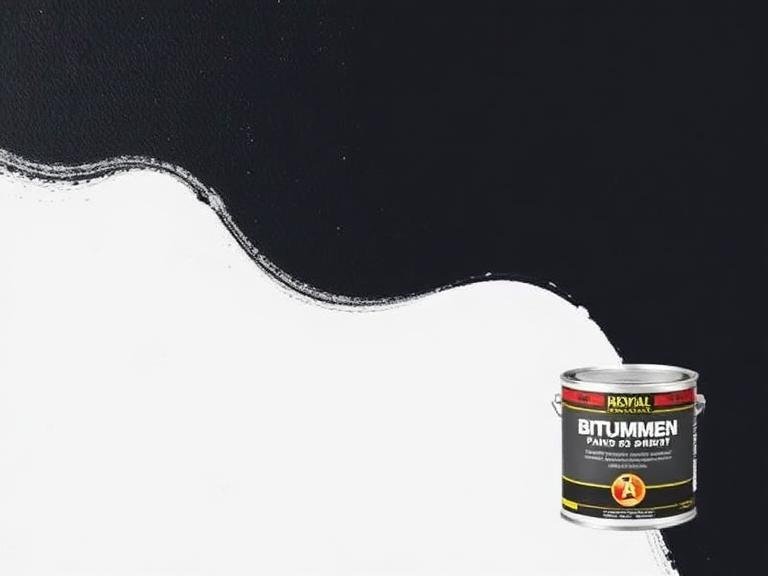
To accurately answer the question of What is bitumen paint used for, we must dive deep into the specific chemical properties of bituminous compounds and their interaction with various structural substrates. Bitumen, a highly viscous, black, sticky hydrocarbon derived from the fractional distillation of crude oil, has been utilized for centuries. However, modern iterations of this material have evolved significantly. From our experience, many construction professionals still underestimate the sheer versatility of this heavy-duty coating. In this comprehensive, authoritative guide, we will explore the precise applications, the underlying chemical mechanisms, and the strategic advantages of utilizing bituminous coatings. We will thoroughly document What is bitumen paint used for across different sectors, and explain how it complements our proprietary line of high-quality, durable, and eco-friendly products designed for professional use across the construction and stone care industries.
Table of Contents
- 1. The Chemical Foundation: Understanding Bituminous Coatings
- 2. Primary Applications: What is bitumen paint used for?
- 3. The Engineering Advantages of Bitumen Paint
- 4. Expert Application Techniques
- 5. Aoyalis Alternatives: Advanced Waterproofing Materials
- 6. Summary Table: What is bitumen paint used for?
- 7. Frequently Asked Questions (FAQs)
- 8. References
1. The Chemical Foundation: Understanding Bituminous Coatings
Before detailing exactly What is bitumen paint used for, it is essential to understand its formulation. Traditional bitumen paint is a solvent-based liquid consisting of specific grades of bitumen dissolved in petroleum solvents (such as white spirit or naphtha). When applied to a surface, the solvent evaporates into the atmosphere, leaving behind a thick, continuous, seamless membrane of pure bitumen. This resulting film is entirely impervious to water ingress, highly resistant to alkaline compounds, and resilient against mild acidic environments.
Our R&D team at Aoyalis has extensively studied these hydrocarbon chains to develop complementary advanced stone chemical solutions. While raw bitumen is incredibly effective at repelling moisture, it is naturally thermoplastic. This means it becomes softer at higher temperatures and more brittle in freezing conditions. Therefore, when clients ask us What is bitumen paint used for, we emphasize that its best applications are those where the substrate is shielded from direct, intense ultraviolet (UV) radiation, such as subterranean foundations or marine pilings, where ambient temperatures remain relatively stable.
2. Primary Applications: What is bitumen paint used for?
The versatility of this protective coating cannot be overstated. When addressing What is bitumen paint used for, we must categorize its use by the type of substrate it is protecting. Below is an expert breakdown of its primary industrial and commercial applications.
Metal Protection and Anti-Corrosion
One of the foremost answers to What is bitumen paint used for involves the protection of ferrous metals. When structural steel, cast iron pipes, or corrugated iron sheeting are exposed to moisture and oxygen, rapid oxidation (rust) occurs. Applying a heavy layer of bitumen paint creates an impenetrable barrier that physically separates the metal from corrosive environmental elements. From our experience, this is particularly vital in marine environments, agricultural settings, and industrial facilities. We frequently see it applied to the exterior of underground storage tanks, boat hulls, and fire escapes. It provides a highly cost-effective anti-corrosive layer that outperforms many standard synthetic enamels in harsh, moisture-rich environments.
Concrete, Masonry, and Foundation Sealing
In the construction industry, What is bitumen paint used for is almost synonymous with foundation protection. Concrete and masonry are inherently porous materials. Through capillary action, they can draw moisture up from the surrounding soil, leading to rising damp, structural spalling, and severe interior mold growth. Coating the exterior of subterranean retaining walls, basement foundations, and concrete footings with bitumen paint provides a robust damp-proof course (DPC).
While bitumen is an excellent traditional barrier, modern construction often demands greater flexibility. We recommend integrating Aoyalis Waterproofing Materials in conjunction with, or as an upgrade to, standard bitumen. For instance, our advanced Waterproof coating offers superior elongation properties, meaning it can bridge micro-cracks in settling concrete that rigid traditional bitumen might struggle to accommodate.
Roofing and Felt Adhesive Properties
Another critical sector answering What is bitumen paint used for is the roofing industry. Flat roofs are highly susceptible to ponding water and subsequent leakage. Bitumen paint is widely used to rejuvenate old, weathered asphalt roofs, providing a fresh, waterproof seal over degraded membranes. Furthermore, it acts as an exceptionally strong adhesive for bonding roofing felt. When applied generously, it seamlessly glues overlapping layers of felt down to concrete or wooden roof decks, creating a unified, weather-resistant shell.
Timber and Subterranean Wood Preservation
Wood that is placed in direct contact with damp soil will inevitably succumb to rot and fungal decay. What is bitumen paint used for in landscaping and agriculture? It is the primary defense mechanism for fence posts, utility poles, and submerged timber structures. By dipping or heavily brushing the buried portion of the wood with bitumen paint, contractors seal the organic fibers away from moisture and wood-destroying organisms. This simple application can extend the lifespan of structural timber by decades.
3. The Engineering Advantages of Bitumen Paint
Understanding What is bitumen paint used for naturally leads to questioning why it remains so prevalent despite the advent of modern polymers. The advantages are primarily rooted in economics and robust chemical resistance. Bituminous coatings are incredibly cost-effective to produce and purchase in massive volumes, making them ideal for large-scale civil engineering projects. They adhere tenaciously to almost any substrate without the need for expensive, specialized primers.
Furthermore, their resistance to harsh chemicals makes them invaluable in agricultural and wastewater sectors. They can withstand prolonged exposure to silage acids, animal effluent, and alkaline soils. However, we must also address its limitations. Standard bitumen degrades under prolonged UV exposure, eventually “alligatoring” or cracking. For surfaces exposed to direct sunlight, we recommend utilizing our Aoyalis Waterproof paint, which features engineered UV inhibitors designed to maintain aesthetic and structural integrity for years in open environments.
4. Expert Application Techniques
Knowing What is bitumen paint used for is irrelevant if the product is applied incorrectly. From our experience overseeing professional installations, surface preparation accounts for 90% of a coating’s success. The substrate must be absolutely dry, clean, and free of laitance, grease, and loose rust. Applying a solvent-based bitumen over a damp concrete wall will result in blistering as trapped water vapor attempts to escape.
We recommend applying the product using a heavy-duty bristle brush or a solvent-resistant roller. For large-scale industrial applications, airless spray equipment can be utilized, provided the paint is thinned according to the manufacturer’s strict specifications. Due to the high volatile organic compound (VOC) content in traditional solvent-based bitumen, proper respiratory equipment and aggressive ventilation are mandatory in confined spaces. Typically, two coats are required for subterranean waterproofing, with the first coat acting as a penetrating primer.
5. Aoyalis Alternatives: Advanced Waterproofing Materials

While we respect the legacy and utility of traditional bituminous products, the construction industry is rapidly shifting toward higher performance and eco-friendly standards. If you are researching What is bitumen paint used for, you are ultimately searching for a solution to a moisture or corrosion problem. Aoyalis is a leading manufacturer dedicated to pushing the boundaries of what these solutions look like.
Within our 2,000 square meter facility, our R&D team has developed an elite range of Waterproofing agent formulations that bypass the limitations of standard bitumen. Our proprietary Waterproof coating provides exceptional adhesion to wet substrates—a significant advantage over solvent-based bitumen—and our specialized Waterproof paint cures into a highly flexible, UV-stable membrane that remains breathable, allowing trapped substrate vapor to escape without compromising the external water barrier. We recommend consulting with our technical team to determine if a modern Aoyalis polymeric solution might yield superior long-term results for your specific project compared to traditional bitumen.
6. Summary Table: What is bitumen paint used for?
To provide a quick, authoritative reference for procurement managers and site engineers, we have compiled a summary table detailing exactly What is bitumen paint used for across various construction substrates.
| Substrate Type | Primary Application | Engineering Benefit | Aoyalis Modern Alternative |
|---|---|---|---|
| Ferrous Metals | Marine pilings, storage tanks, pipework. | Creates an impermeable barrier against oxygen and moisture to halt corrosion. | Advanced anti-corrosive Waterproof paint with superior UV resistance. |
| Concrete / Masonry | Subterranean retaining walls, basement foundations. | Acts as a primary damp-proof course preventing capillary moisture rise. | Elastomeric Waterproof coating capable of bridging structural micro-cracks. |
| Roofing Systems | Flat roof restoration, bonding roofing felt. | Provides a thick, seamless, waterproof seal and strong adhesive bond. | High-build liquid applied Waterproofing Materials that remain highly flexible. |
| Timber / Wood | Fence posts, utility poles, submerged wood. | Seals organic fibers against soil moisture and fungal decay. | Deep-penetrating, eco-friendly Waterproofing agent for breathable protection. |
7. Frequently Asked Questions (FAQs)
8. References
1. International Institute of Building Enclosure Consultants (IIBEC). “Standards for Positive-Side Foundation Waterproofing and Damp-Proofing.”
2. The Journal of Protective Coatings & Linings (JPCL). “Anti-Corrosion Mechanisms of Bituminous Films on Submerged Ferrous Substrates.”