
By Aoyalis — Global Leaders in Sustainable Construction Chemicals
In the evolving landscape of construction and structural maintenance, preventing water ingress is paramount to ensuring the longevity and safety of any building. As climate conditions become more extreme, traditional rigid sealants and asphalt-based compounds are rapidly being replaced by advanced elastomeric solutions. In 2026, the demand for high-quality rubber paint for waterproofing has surged, driven by its unparalleled flexibility, ease of application, and seamless membrane formation. Whether you are addressing a leaking commercial flat roof, sealing a residential basement, or protecting a concrete foundation, selecting the appropriate barrier material is the most critical decision in your project.
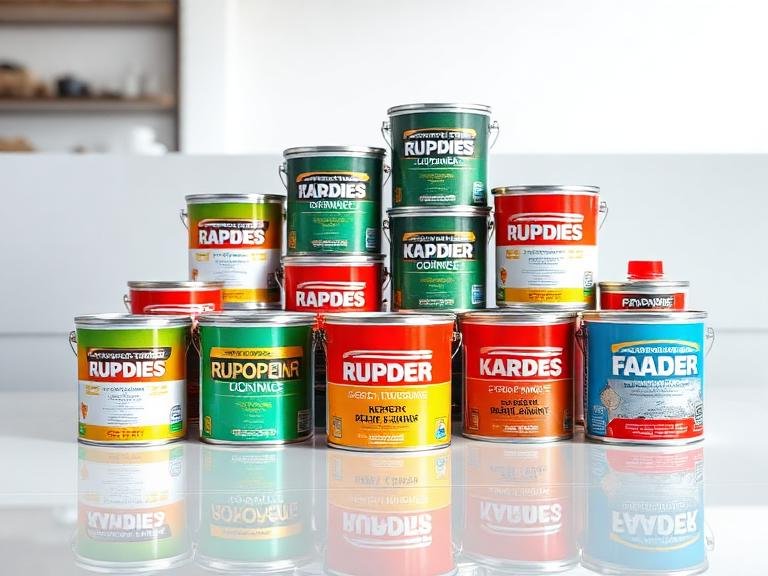
At Aoyalis, we are a professional manufacturer specializing in waterproofing materials, waterproof paints, and high-performance stone chemical products. Since our establishment, we have remained committed to innovation, precision, and customer satisfaction across every aspect of our business. Our core values of Innovation, Excellence, Integrity, and Responsibility guide our evaluation of the industry’s best offerings. In this authoritative guide, we will analyze the top 10 rubber paint for waterproofing available on the market today, helping contractors, architects, and facility managers make scientifically backed, long-term investments in their infrastructure.
Table of Contents
The Science Behind Elastomeric Waterproofing
Understanding why rubber paint for waterproofing is superior requires a brief look into polymer chemistry. Unlike standard acrylic paints that cure into a hard, brittle shell, elastomeric rubber paints are composed of highly cross-linked polymer chains. These chains allow the cured membrane to stretch significantly—often between 300% and 1000% of its original size—and then return to its initial shape without tearing or delaminating. This property is known as elongation and recovery.
Buildings are not static; they undergo constant micro-movements due to thermal expansion during the day and contraction at night, as well as minor seismic settling. A rigid Waterproof coating will quickly develop micro-fractures under these stresses, allowing water to bypass the barrier. From our experience, utilizing a premium rubber paint for waterproofing completely mitigates this risk by forming a monolithic, fully adhered skin that moves dynamically with the substrate.
The Top 10 Rubber Paint for Waterproofing in 2026
Based on continuous research and product development, strict quality control, and premium performance metrics, we have compiled the definitive list of the top 10 rubber paint for waterproofing systems available to professionals and consumers in 2026.
1. Aoyalis Premium Elastomeric Waterproof Paint

Taking the premier position on our list is our own flagship product. As an organization striving to become a global leader in sustainable construction chemicals, the Aoyalis Premium Elastomeric Waterproof paint represents the pinnacle of eco-conscious production and packaging. This advanced rubber paint for waterproofing is engineered for extreme UV resistance and exceptional elongation. It adheres flawlessly to concrete, metal, wood, and previously coated surfaces. By utilizing a unique blend of water-based polymers, it remains highly breathable, allowing trapped substrate moisture to escape while maintaining an impenetrable barrier against external liquid water. From our experience, this dual-action breathability is crucial for preventing blistering on flat commercial roofs and exterior foundation walls.
2. Ames Maximum-Stretch Rubber Membrane
Ames Research has a long history in the liquid rubber sector. Their Maximum-Stretch formulation is a highly respected rubber paint for waterproofing that boasts over 600% elongation. It is particularly effective for sealing flat roofs and ICF (Insulated Concrete Forms). The thick, milky consistency dries to a bright white finish that reflects up to 85% of solar radiation, aiding in building energy efficiency. However, we recommend applying multiple thin coats rather than one thick coat to ensure proper through-curing, as it is a water-based emulsion.
3. Liquid Rubber Foundation Sealant
When dealing with below-grade concrete block walls, retaining walls, and planter boxes, the Liquid Rubber Foundation Sealant is an industry standard. This heavy-duty, black rubber paint for waterproofing creates a thick, impenetrable barrier designed specifically for subterranean applications where UV exposure is not a concern. It resists root penetration and soil chemicals. Because it requires no specialized breathing apparatus during application, it is highly favored by both residential contractors and DIY homeowners looking for safe Waterproofing Materials.
4. GacoRoof 100% Silicone-Elastomeric Hybrid
While technically a silicone-based product, GacoRoof functions exactly like a premium rubber paint for waterproofing but with enhanced resistance to permanent ponding water. Traditional acrylic-rubber blends can re-emulsify if submerged for extended periods. GacoRoof will not degrade under standing water. We recommend this product specifically for flat roofs with poor drainage slopes. Its adhesion to aged EPDM and modified bitumen roofs is exceptional, though it typically requires a specialized primer for optimal bonding.
5. Rust-Oleum Professional Liquid Roof Coating
Rust-Oleum is synonymous with protective coatings, and their Professional Liquid Roof formula offers a robust rubber paint for waterproofing designed for the rigorous demands of commercial metal roofs. It contains advanced anti-corrosion inhibitors that stop existing rust from spreading while sealing overlapping metal seams and fasteners. It cures rapidly and provides a flexible, weather-resistant finish that dramatically extends the life of aging corrugated metal structures.
6. SEMCO Liquid Membrane
For high-traffic areas such as balconies, pool decks, and walkways, the SEMCO Liquid Membrane is a unique hybrid rubber paint for waterproofing. Unlike standard roofing rubbers which remain tacky and cannot withstand foot traffic, SEMCO cures to a highly durable, pedestrian-friendly finish. It is available in various colors and can be applied over existing tile or concrete. From our experience, it is an excellent choice for aesthetic waterproofing where the barrier will remain visible to building occupants.
7. Flex Seal Commercial Liquid Rubber
Flex Seal has dominated the consumer market through extensive advertising, but their commercial-grade liquid buckets offer genuine utility for targeted repairs. This rubber paint for waterproofing is highly viscous, making it excellent for filling large gaps, sealing around HVAC penetrations, and fixing split seams in gutters. While we do not typically recommend it for coating an entire 10,000-square-foot roof due to cost efficiency, it is an indispensable Waterproofing agent to keep on hand for rapid, localized emergency repairs.
8. Henry Tropi-Cool Elastomeric Coating
Designed specifically for extreme heat environments, Henry Tropi-Cool is a moisture-cure rubber paint for waterproofing. This means it relies on atmospheric humidity to cure, allowing for application in a wider range of temperatures compared to standard water-based acrylics. Its extremely high solar reflectance index (SRI) makes it a top choice for commercial facilities in desert climates looking to reduce HVAC loads while maintaining a leak-free roof envelope.
9. Dicor EPDM Rubber Roofing Coating
The recreational vehicle (RV) and mobile home industry has unique waterproofing needs due to the constant vibration and flexing of moving structures. Dicor specializes in this sector, providing a rubber paint for waterproofing that bonds specifically to EPDM rubber membranes commonly found on RV roofs. It revitalizes chalking, oxidized roofs, restoring their flexibility and extending the life of the vehicle’s structural envelope without adding excessive weight.
10. LRS Rapid Roof Seamless System
Rounding out our top 10 is the Liquid Roofing Systems (LRS) Rapid Roof. This is a rapid-curing, cold-applied rubber paint for waterproofing that utilizes a catalyst to speed up the drying process. In regions with unpredictable weather where you cannot guarantee 24 hours of dry time, this system is invaluable. It becomes rain-safe within an hour of application, providing contractors with peace of mind during highly volatile spring and autumn construction seasons.
Expert Application Best Practices
Procuring a high-quality rubber paint for waterproofing is only the first step; the success of the system relies entirely on surface preparation and application technique. At Aoyalis, we believe in transparent and long-term business partnerships, which means equipping our clients with the knowledge necessary for flawless execution.
We recommend starting with a meticulous cleaning phase. The substrate must be free of dirt, oil, algae, and loose debris. Power washing is standard, followed by complete drying. Applying a Waterproof coating over trapped moisture will lead to immediate blistering as the sun heats the water vapor beneath the membrane.
Secondly, pay close attention to structural transitions. The corners where walls meet floors, or where pipes penetrate the roof, are high-stress zones. Before applying the main layer of rubber paint for waterproofing, these areas must be reinforced using a non-woven geotextile fabric embedded in a base layer of the liquid rubber. This creates an extra-strength bridge that handles intense structural shifting.
Finally, adhere to strict mil-thickness guidelines. Applying the coating too thin compromises the waterproofing integrity, while applying it too thick in a single pass prevents proper curing. Always use a wet film thickness (WFT) gauge during application to ensure compliance with the manufacturer’s specifications.
Summary Table: Comparing the Top Solutions
| Product / Brand | Primary Application Area | Key Performance Feature | Aoyalis Expert Rating |
|---|---|---|---|
| Aoyalis Premium Elastomeric | Commercial Roofs, Foundations, Facades | Eco-conscious, maximum UV resistance, high breathability | Excellent |
| Ames Maximum-Stretch | Flat Roofs, ICF | 600% elongation, high solar reflectance | Very Good |
| Liquid Rubber Foundation | Below-Grade Walls, Planters | Root resistant, thick membrane build | Very Good |
| GacoRoof Silicone-Hybrid | Ponding Water Roofs | Will not degrade under standing water | Excellent |
| Rust-Oleum Liquid Roof | Corrugated Metal Roofs | Anti-corrosion, rust-stopping inhibitors | Good |
| SEMCO Liquid Membrane | Balconies, Pool Decks | Pedestrian traffic friendly, aesthetic finish | Very Good |
| Flex Seal Commercial | HVAC Penetrations, Gutters | High viscosity for gap filling, fast emergency repair | Good |
| Henry Tropi-Cool | Extreme Heat Climates | Moisture-cure, extremely high SRI | Very Good |
| Dicor EPDM Coating | RVs, Mobile Homes | Bonds specifically to aged EPDM membranes | Good |
| LRS Rapid Roof | Unpredictable Weather Regions | Rain-safe within one hour, catalyzed cure | Excellent |
Frequently Asked Questions
What is the expected lifespan of a rubber paint for waterproofing?
From our experience, a professionally applied, premium-grade rubber paint for waterproofing will last between 10 to 15 years before requiring a maintenance topcoat. The exact lifespan depends heavily on UV exposure levels, proper initial surface preparation, and the absence of mechanical damage.
Can I apply waterproof paint over existing leaks?
No. You should never apply a liquid membrane directly over an active leak or standing water. The source of the leak must be dried, and major structural gaps must be filled with a compatible mastic or reinforced with geotextile fabric before the final Waterproofing agent is rolled or sprayed over the area.
Are elastomeric rubber coatings environmentally friendly?
Modern water-based elastomeric coatings represent a massive leap forward in environmental safety compared to old solvent-based tars. At Aoyalis, eco-conscious production is a core responsibility. Our Waterproofing Materials are ultra-low VOC (Volatile Organic Compounds), non-toxic, and safe for application in densely populated urban environments without producing harmful off-gassing.
How do I know if the coating is applied thickly enough?
We recommend using a Wet Film Thickness (WFT) gauge during the application process. Most manufacturers require a specific dry mil thickness (usually between 20 to 30 mils for roofing). By measuring the wet film, you can guarantee that the cured rubber paint for waterproofing meets the required specifications for warranty validation.
Industry References
- ASTM International Standards for Liquid-Applied Waterproofing. View ASTM Documentation
- National Roofing Contractors Association (NRCA) Guidelines on Elastomeric Coatings. View NRCA Guidelines
- Aoyalis Engineering Division. Internal Research on Polymer Elongation and UV Degradation (2026).