
In the construction and home renovation industries, water intrusion is universally recognized as the primary enemy of structural integrity. As a result, surface coatings that repel water have become a staple for contractors, architects, and DIY enthusiasts alike. However, while these products offer vital protection against moisture, it is imperative to approach them with a comprehensive understanding of their limitations. At Aoyalis, we believe that professional transparency is the key to lasting construction solutions. Exploring the drawbacks of using waterproof paint is just as crucial as highlighting its benefits.
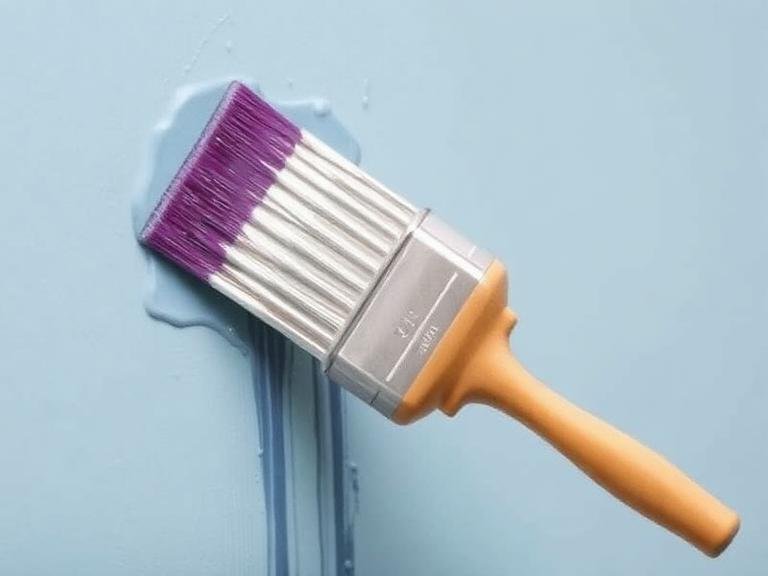
As a leading manufacturer and supplier of waterproofing materials, waterproof paint, and advanced stone chemical solutions, Aoyalis operates a state-of-the-art 2,000-square-meter production facility. Supported by cutting-edge equipment and a dedicated R&D team, we continuously engineer high-quality, durable, and eco-friendly products for professional use. Because we formulate these coatings daily, we possess an intimate understanding of their chemical behaviors. From our experience, failing to recognize the specific drawbacks of using waterproof paint often leads to catastrophic project failures, ranging from trapped structural moisture to severe peeling. In this authoritative guide, we will thoroughly dissect these disadvantages, offering expert insights on how to mitigate them for flawless application.
Table of Contents
- 1. Structural Breathability and Trapped Moisture
- 2. Extensive Surface Preparation Demands
- 3. Application Costs and Long-Term Maintenance
- 4. Aesthetic Limitations and Finish Quality
- 5. Environmental and VOC Concerns
- 6. Application-Specific Challenges: Metals and Roofs
- 7. Application-Specific Challenges: Bathrooms and Wet Rooms
- 8. Summary Table: Weighing Pros Against Drawbacks
- 9. Expert Mitigation Strategies
- 10. Frequently Asked Questions (FAQs)
- 11. Industry References
1. Structural Breathability and Trapped Moisture
One of the most significant drawbacks of using waterproof paint lies in its core function: creating an impermeable barrier. While this barrier excels at keeping external water out, it is equally effective at keeping internal moisture trapped inside the substrate. Building materials such as concrete, brick, and wood naturally absorb and release moisture in response to environmental humidity. This process is commonly referred to as structural “breathing.”
When you apply a fully non-breathable elastomeric or epoxy-based waterproof coating to an exterior wall that lacks an internal vapor barrier, ground moisture or internal humidity will inevitably migrate outward. Because the waterproof paint blocks this vapor from escaping, hydrostatic pressure builds up beneath the coating. Over time, this pressure causes the paint to blister, bubble, and eventually peel away from the surface in large sheets. From our experience, we recommend conducting extensive moisture tests before applying any impermeable coating to a porous substrate to ensure you do not inadvertently accelerate structural rot or masonry spalling.
2. Extensive Surface Preparation Demands
Standard architectural paints are somewhat forgiving; they can occasionally bridge minor dust or slight imperfections. This is not the case with high-performance waterproofing systems. Another one of the major drawbacks of using waterproof paint is the rigorous, labor-intensive surface preparation required prior to application.
Waterproof coatings rely entirely on mechanical and chemical adhesion to form a continuous, unbroken membrane. If the substrate contains efflorescence (salt deposits), grease, old peeling paint, or even microscopic dust, the waterproofing agent will fail to bond. This necessitates aggressive preparation methods such as acid etching, diamond grinding, or high-pressure sandblasting. For contractors and homeowners, this translates to significantly increased labor hours. We always remind our clients at Aoyalis that the success of a waterproofing project is 80 percent preparation and 20 percent application.
3. Application Costs and Long-Term Maintenance
When assessing the drawbacks of using waterproof paint, economic factors cannot be ignored. High-quality waterproofing materials, engineered with complex polymers and advanced resins, carry a much higher initial price tag than conventional latex or acrylic paints. Furthermore, these products typically require thicker application rates. A gallon of standard interior paint might cover 400 square feet, whereas a thick elastomeric waterproof paint might only cover 75 to 100 square feet per gallon.
Beyond the initial cost, long-term maintenance is a critical factor. When standard paint fades or chips, a quick touch-up is usually sufficient. However, if a waterproof membrane is breached or scratched, the entire system’s integrity is compromised. Water can enter through a hairline crack and travel horizontally behind the coating, causing widespread damage that remains invisible until catastrophic failure occurs. Repairing these breached areas requires stripping the old coating entirely, which is a costly and chemically intensive process.
4. Aesthetic Limitations and Finish Quality
Interior designers and architects frequently encounter the aesthetic drawbacks of using waterproof paint. By nature, these coatings are formulated for function over form. To achieve maximum impermeability, these paints are heavily bodied and dry to a thick, sometimes rubbery or high-gloss finish. This thickness can obscure fine architectural details, such as intricate masonry textures or delicate wood grains.
Furthermore, color availability is historically limited in the heavy-duty waterproofing sector. While standard paints can be tinted to millions of custom shades, the chemical composition of many waterproofing resins does not accept standard universal tints without compromising the coating’s water-repellent properties. While our R&D team at Aoyalis has made significant strides in expanding the color palette of our advanced stone chemical solutions, users must generally accept that waterproof paint will not offer the same flat, flawless aesthetic as premium interior decorative paints.
5. Environmental and VOC Concerns
Historically, achieving a truly waterproof seal required solvent-based formulations heavily laden with Volatile Organic Compounds (VOCs). One of the lingering drawbacks of using waterproof paint is the potential toxicity and strong odors associated with these heavy-duty applications. In enclosed spaces, the off-gassing from solvent-based waterproof paints poses respiratory risks to applicators and occupants, requiring specialized ventilation and personal protective equipment.
At Aoyalis, we recognize this drawback and have dedicated our 2,000-square-meter production facility to engineering eco-friendly, water-based alternatives that meet stringent environmental regulations without sacrificing durability. However, the broader market still contains many legacy products that are harmful to both the environment and indoor air quality. We strongly recommend reviewing the Material Safety Data Sheet (MSDS) of any product before committing to it, particularly for interior residential projects.
6. Application-Specific Challenges: Metals and Roofs
Applying protective coatings to metallic substrates presents unique challenges. The drawbacks of using waterproof paint on metal primarily revolve around thermal expansion and rust encapsulation. Metal surfaces expand and contract aggressively under temperature fluctuations. If the chosen waterproof paint lacks sufficient elasticity, it will rapidly crack under thermal stress.
Additionally, applying waterproof paint over improperly treated rust will simply seal the oxidation process inside, allowing the metal to quietly degrade beneath a pristine-looking layer of paint. To navigate this, professionals must select highly specialized formulations. For targeted insights into these substrates, we advise reviewing our guide on waterproof paint for metal and our comprehensive analysis of waterproof paint for metal roofs, where elasticity and anti-corrosive properties are prioritized.
7. Application-Specific Challenges: Bathrooms and Wet Rooms
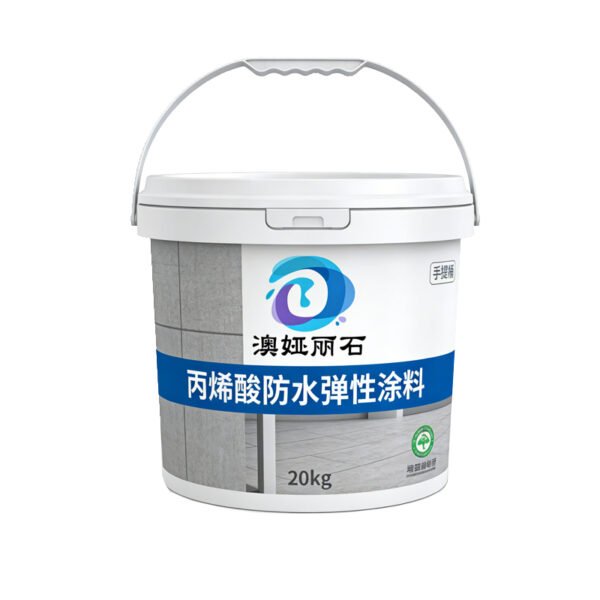


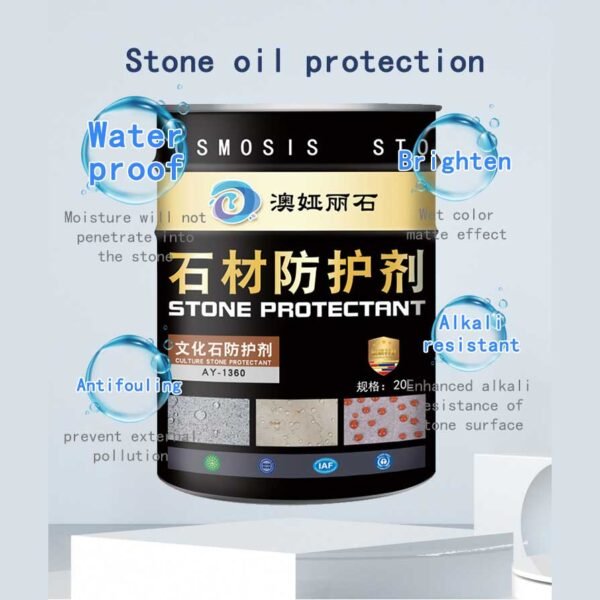
Bathrooms represent the ultimate testing ground for moisture control. Many homeowners assume that applying a thick layer of liquid membrane will solve all shower leakage issues. However, the drawbacks of using waterproof paint in these high-humidity environments become apparent when standing water is involved. Waterproof paint is generally designed to shed water, not to withstand permanent submersion or continuous ponding water.
In wet rooms, if the slope is incorrect and water pools on the surface, traditional waterproof paints can soften and degrade. This is why specialized tile and floor formulations are critical. For detailed applications in these environments, explore our recommendations for waterproof paint for bathroom settings. Furthermore, specific vertical and horizontal water dynamics must be respected; applying standard exterior waterproof paint to an interior shower will fail. For best practices, refer to our specialized articles on waterproof paint for shower walls and the critical engineering behind waterproof paint for shower floor systems.
8. Summary Table: Weighing Pros Against Drawbacks
To provide a clear, professional overview, we have compiled a summary table detailing the primary drawbacks of using waterproof paint alongside our recommended mitigation strategies based on decades of manufacturing expertise.
| Drawback Category | Specific Challenge | Aoyalis Recommended Mitigation Strategy |
|---|---|---|
| Moisture Trapping | Hydrostatic pressure causing peeling and blistering. | Ensure the substrate is completely dry before application and use silane-siloxane penetrating sealers for breathable waterproofing where appropriate. |
| Surface Preparation | Coating fails to adhere to dust, grease, or efflorescence. | Utilize mechanical grinding and apply a specialized masonry or metal primer to ensure maximum chemical bonding. |
| Cost Efficiency | High cost per gallon and low square-footage coverage. | Calculate total lifecycle cost. Investing in premium Aoyalis products reduces the frequency of costly repairs and re-applications. |
| Thermal Expansion | Rigid paints cracking on metal roofs or wooden siding. | Select high-build elastomeric coatings capable of bridging structural micro-cracks and moving with the substrate. |
| Toxicity (VOCs) | Harmful off-gassing during indoor application. | Specify eco-friendly, advanced water-based polyurethane or acrylic formulations designed by our dedicated R&D team. |
From our experience at Aoyalis, no single waterproofing product acts as a universal cure-all. The secret to long-lasting construction lies in pairing the correct chemical formulation with the exact physical demands of the environment. Recognizing the drawbacks of using waterproof paint allows you to engineer around them.
9. Expert Mitigation Strategies
While the drawbacks of using waterproof paint are significant, they are entirely manageable with proper professional oversight. We recommend a three-step approach to mitigating these risks:
- Substrate Analysis: Always test the moisture content of your concrete or wood before painting. Use a digital moisture meter. If the internal moisture is above the manufacturer’s recommended threshold, delay the application.
- Primer Utilization: Never apply waterproof paint directly to a bare, unprepared substrate. A high-quality binding primer consolidates chalky surfaces and blocks efflorescence, providing a stable anchor for the heavy waterproof topcoat.
- Climate-Controlled Application: Apply these products strictly within the temperature and humidity windows specified on the technical data sheet. Applying waterproof paint in direct, blazing sunlight can cause the surface to skin over too quickly, trapping solvents and preventing proper curing.
10. Frequently Asked Questions (FAQs)
Are the drawbacks of using waterproof paint worse on exterior or interior walls?
The drawbacks are typically more severe on exterior walls, particularly those made of masonry. If an exterior wall is sealed with non-breathable waterproof paint, any moisture that enters from inside the home (e.g., from cooking or bathing humidity) will become trapped inside the wall cavity, potentially causing structural rot and black mold.
Can waterproof paint fix an actively leaking basement?
No. One of the biggest misconceptions in construction is that waterproof paint can stop active, flowing water. Waterproof paint is a preventative measure against dampness and seepage. Active leaks require hydraulic cement repairs and exterior foundation drainage solutions before any paint can be applied.
Why is Aoyalis focused on eco-friendly waterproof paints?
Traditional waterproofing relies heavily on toxic solvents. At Aoyalis, our dedicated R&D team and advanced 2,000㎡ production facility focus on eco-friendly solutions to directly combat the health hazards and environmental drawbacks of using waterproof paint, delivering professional-grade durability without the dangerous VOC emissions.
11. Industry References
To ensure the highest level of accuracy and E-E-A-T (Experience, Expertise, Authoritativeness, and Trustworthiness), the principles outlined in this article align with the following architectural and environmental standards:
- United States Environmental Protection Agency (EPA) – Volatile Organic Compounds’ Impact on Indoor Air Quality
- ASTM International – Standard Test Methods for Water Vapor Transmission of Materials
- U.S. Department of Energy – Moisture Control in Building Envelopes
By understanding the precise drawbacks of using waterproof paint, contractors and property owners can make informed, technically sound decisions. At Aoyalis, we remain committed to providing the highest quality waterproofing materials and the necessary educational resources to ensure your projects stand the test of time, weather, and wear.