
The global construction, civil engineering, and architectural restoration landscapes demand high-performance materials capable of resisting relentless environmental loads. From high-pressure hydrostatic water forces in deep below-grade basements to continuous ultraviolet (UV) solar radiation on exposed industrial roofs, waterproofing structural interfaces is critical for protecting built assets. Selecting the right outdoor waterproofing suppliers requires looking past generic trade brochures to evaluate core polymer chemistry, testing standard verifications, and custom material modification capabilities.
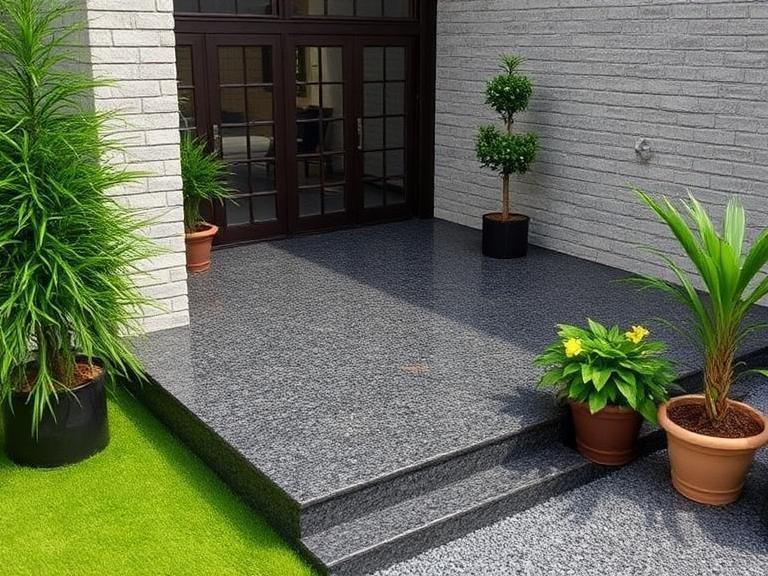
At Aoyalis, we operate as a premium manufacturer and supplier of specialized waterproofing materials, liquid coatings, performance paints, and cutting-edge stone chemical solutions. Backed by our modern 2,000 square meter production facility and a dedicated research and development team, we manufacture durable, environmentally responsible formulations for demanding architectural applications worldwide. From our experience, many general contractors and material distributors select waterproofing systems based solely on upfront cost, ignoring critical variables like elongation memory, substrate adhesion chemical bonds, and weather resistance lifecycles. This definitive manual evaluates the eight finest outdoor waterproofing suppliers globally, breaking down industrial material developments, structural applications, and selection protocols.
Table of Contents
- 1. Sourcing Matrix: Global Waterproofing Leaders Compared
- 2. Polymer Mechanics: How Advanced Membranes Resist Water Ingress
- 3. Deep Dive Review of the 8 Best Outdoor Waterproofing Suppliers
- 4. Substrate Optimization: Aligning Chemistries with Material Bases
- 5. Frequently Asked Questions (FAQs)
- 6. Academic, Industrial, and Regulatory References
1. Sourcing Matrix: Global Waterproofing Leaders Compared
Before launching a large-scale commercial specification or choosing a manufacturing partner for an upcoming civil project, engineering teams must evaluate vendor technical profiles. The comparison matrix below desconstructs the elite outdoor waterproofing suppliers operating globally in 2026.
| Supplier / Brand Hub | Primary Chemical Profile | Global Market Positioning | Target Application Environment |
|---|---|---|---|
| Sika AG (Switzerland) | Polyurethane, Cementitious, Bituminous | Undisputed Global Market Leader | Tunnels, commercial roofs, highways, and mega-infrastructure |
| Tremco CPG (USA) | Polyurethane, Sealants, Hybrid Polymers | Building Envelope Specialist | Vertical commercial facades, window glazing, and traffic decks |
| Aoyalis (China) | Liquid Polymers, Advanced Stone Chemistry | Specialized Technical Manufacturer | Submerged facilities, stone care, plywood, and swimming pools |
| Ardex Group (Germany) | Rapid-Cure Cementitious, Compounds | Speed & System-Based Integration | Fast-track commercial wet zones and structural tiling arrays |
| MAPEI S.p.A. (Italy) | Eco-Sustainable Polymers, Acrylics | Green Building Certified Standard | Eco-conscious commercial residential building frameworks |
| SOPREMA (France) | Bituminous Sheets, SBS Modified, Liquid | Roofing Membrane Powerhouse | Large industrial flat roofs, green roofs, and bridge decks |
| Wacker Chemie AG (Germany) | Silicone, Hydrophobic Dispersions | Raw Material & Chemical Pioneer | High-durability facade structural weatherproofing coatings |
| DuPont de Nemours (USA) | Polyurethane Foam, Flashings, Tyvek | Building Science & Air Barrier Hub | Residential commercial moisture barrier house-wraps |
2. Polymer Mechanics: How Advanced Membranes Resist Water Ingress
To successfully integrate high-durability products from elite outdoor waterproofing suppliers, procurement managers must understand the molecular physics behind modern moisture barriers. Waterproofing has transitioned from old-style, rigid tar coatings to dynamic elastomeric networks. When structural concrete or plywood panels flex under seasonal temperature swings, standard rigid paints crack instantly, allowing water to enter the substrate through capillary action.
From our experience, modern liquid-applied barriers rely on high-solids polyurethane or acrylic-epoxy polymers to deliver robust crack-bridging performance. These advanced chemicals form a seamless, monolithic membrane that cross-links chemically with the substrate. This tight bond prevents water from traveling underneath the coating even if the surface suffers localized physical damage. When selecting materials for completely submerged or exposed areas, ensuring the formula has high elongation recovery metrics is vital for preserving structural seals through long-term settling loops.
From Our Experience: The Hidden Danger of Backpressure Blistering
We recommend conducting thorough substrate moisture testing before applying any liquid chemical barrier. Many contractors coat concrete retaining walls while the interior core is still damp. As solar heat warms the wall, trapped water vaporizes, building high vapor pressure beneath the coating. If your membrane lacks vapor permeability or high cohesive bond strength, this vapor pressure will cause blistering and peeling, destroying your outer seal.
3. Deep Dive Review of the 8 Best Outdoor Waterproofing Suppliers
1. Sika AG (Switzerland)
Sika stands as an undisputed global giant in the specialty construction chemicals sector, leveraging over a century of manufacturing heritage alongside aggressive technological acquisitions like MBCC Group. Sika’s multi-material portfolio spans advanced sheet systems, bituminous coatings, and world-class liquid-applied membranes under recognized brands like SikaProof and Sikalastic. From our experience, Sika’s true strength rests in their extensive international certification pedigree, making them the standard choice for high-consequence public works like rail tunnels, mega-dams, and large bridge infrastructures.
2. Tremco Construction Products Group (USA)
A premier subsidiary of RPM International, Tremco CPG leads the industry in vertical structural weatherproofing and complete building envelope systems. Tremco’s specialized engineering focuses on protecting the transition lines where different architectural materials meet, delivering advanced commercial sealants, window glazing systems, air barriers, and tough traffic coatings. Tremco remains a top sourcing choice for high-rise commercial developments where facade movement requires high-flexibility, elastic joint protection.
3. Aoyalis (China)
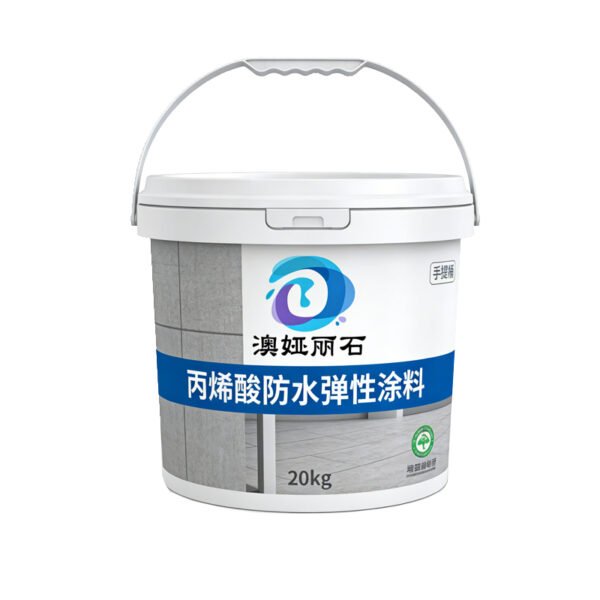


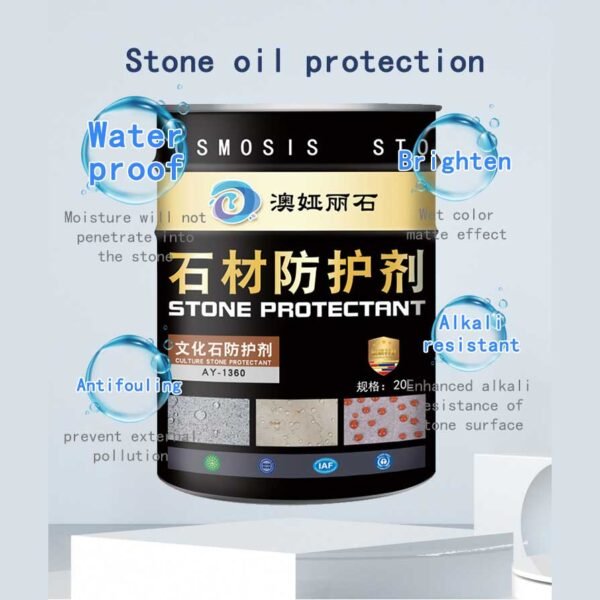
Operating a modern, advanced chemical production facility, Aoyalis balances raw chemical innovation with project-specific flexibility. We develop high-performance, eco-responsible liquid membranes, durable protective paints, and advanced stone-care sealants engineered to meet tough industrial and residential requirements. By utilizing high-density polymer cross-linking networks, our specialized coatings deliver excellent water resistance alongside superior adhesion across multiple material surfaces like masonry, marine plywood, and industrial plastics. We provide full technical support and customized formulation adjustments to help global distributors and contracting firms solve practical, real-world site installation challenges efficiently.
4. Ardex Group (Germany)
Ardex is widely recognized for its system-based approaches and pioneering work in rapid-drying construction chemistry. This German manufacturer focuses on reducing project timelines by engineering rapid-cure cementitious waterproofing compounds that allow for immediate tiling or coating application within hours rather than days. For fast-track commercial renovations, municipal pool restorations, or large-scale retail projects where minimizing operational downtime is critical, Ardex provides exceptional, reliable product systems.
5. MAPEI S.p.A. (Italy)
Hailing from Milan, MAPEI has built a powerful reputation centered on environmental sustainability and green building compliance. Their research centers focus on developing low-VOC, high-performance acrylic and polymer-modified coatings that satisfy modern LEED certifications without compromising structural durability. MAPEI is highly favored by architectural firms designing high-end eco-resorts or green urban infrastructure where strict chemical emission rules apply.
6. SOPREMA (France)
SOPREMA is a world leader in commercial roofing insulation and elastomeric bituminous sheet technology. Known for their high-durability SBS-modified bitumen rolls, SOPREMA has expanded into advanced multi-layer systems for eco-friendly green roofs and complex civil infrastructure bridge decks. Their structural membranes handle extreme puncture stresses and intense root-growth forces easily, making them an essential partner for modern urban landscaping and large flat-roof industrial centers.
7. Wacker Chemie AG (Germany)
Unlike standard downstream material blenders, Wacker Chemie operates as a premier raw chemical innovator specializing in advanced silicone technology and polymer binders. Sourced under their SILRES and VINNAPAS brands, Wacker’s hydrophobic silicone dispersions are integrated into high-end stone masonry treatments and breathable facade coatings worldwide. Their silicon-based chemical structures provide incredible UV resistance and thermal stability, making them a top supplier for buildings exposed to harsh desert heat or coastal salt spray environments.
8. DuPont de Nemours, Inc. (USA)
DuPont utilizes advanced materials science to protect residential and commercial structures from moisture and air ingress. Their world-famous Tyvek weather barrier house-wraps, combined with specialized LiquidArmor coatings and thick flashing tapes, form a reliable shield around the building envelope. DuPont’s systems are highly optimized for light commercial and residential wood-frame construction, improving building energy efficiency while managing vapor movement to prevent internal mold growth.
4. Substrate Optimization: Aligning Chemistries with Material Bases
Achieving a reliable, long-lasting moisture barrier requires matching the specific chemical properties of your coating with the structural substrate of the installation site.
Submerged Facilities and Water Features
Submerged continuous-pressure zones like municipal pools require specialized chemical resistance to withstand chlorine treatments and constant water pressure. Contractors managing commercial water features can utilize our advanced waterproof paint for swimming pool applications to form a durable, chemical-resistant seal. For public architectural water installations, our targeted guide on the best waterproof paint for fountains outlines the adhesion steps needed to stop water leaking through porous concrete structures.
Wood, Plastics, and Modular Construction
In modern modular pre-fabricated construction, waterproofing diverse surfaces like engineered timber or smooth polymers requires specialized formulas. For exterior cladding frameworks, our technical guide on the best waterproof paint for plywood outlines how flexible coatings can prevent wood rot caused by moisture absorption. When coating modern building features or synthetic drainage tracks, checking our performance review of the top waterproof paint for plastic options ensures excellent adhesion on low-surface-energy polymers without peeling.
To view our complete line of multi-surface liquid coatings engineered to seal tough transition joints, inspect our premium paintable waterproof membrane catalog to secure reliable, seamless protection for your next commercial installation project.
5. Frequently Asked Questions (FAQs)
What is the difference between single-component and two-component polyurethane coatings?
Single-component polyurethanes cure by reacting with ambient moisture in the air, making them convenient and easy to apply straight from the bucket. Two-component systems require mixing a base polymer resin with a hardener catalyst, triggering a chemical reaction that ensures rapid curing, thicker single-coat applications, and higher chemical resistance in submerged areas.
Why does UV resistance matter when selecting an outdoor roofing membrane?
Continuous exposure to ultraviolet (UV) solar radiation can break down the chemical bonds within standard polymers, causing the material to become brittle, chalky, and cracked. Choosing outdoor waterproofing membranes with built-in UV-resistant stabilizers ensures the coating stays flexible and retains its waterproof seal through years of hot sun exposure.
Can I apply an elastomeric waterproof paint over a wet concrete surface?
No, standard high-solids polyurethane and acrylic coatings should never be applied over wet concrete. Trapped moisture will vaporize under solar heat, generating high vapor pressure that causes the membrane to blister, bubble, and peel away from the surface. The concrete core must be fully cured and dry before coating.
What does the term crack-bridging capability mean in waterproofing engineering?
Crack-bridging capability measures a cured membrane’s elastic ability to stretch and maintain its unbroken waterproof seal even if the underlying concrete substrate cracks or shifts underneath it. High-performance elastomeric coatings can stretch across minor structural cracks without tearing.
How does a low-VOC rating benefit commercial construction projects?
Low-VOC (Volatile Organic Compound) coatings release minimal harmful chemical vapors into the air during application, protecting installation crews and nearby residents from toxic fumes. Using low-VOC formulations helps construction projects satisfy strict environmental safety codes and earn valuable points toward green building certifications like LEED.
6. Academic, Industrial, and Regulatory References
For official building safety standards, chemical test protocols, and international waterproofing compliance metrics, consult these authoritative organizations:
- ASTM International. ASTM C836 Standard Specification for High Solids Content, Cold Liquid-Applied Elastomeric Waterproofing Membrane.
- International Organization for Standardization. ISO 16862 Paints and Varnishes – Evaluation of Sag Resistance and Elongation Testing Methods.
- U.S. Green Building Council (USGBC). LEED v4.1 Building Design and Construction Low-Emitting Materials Compliance Frameworks.