
Managing sub-grade moisture intrusion is one of the most critical challenges in residential asset preservation and structural engineering. When moisture breaches a foundation, it degrades structural framing, promotes toxic fungal cultivation, and significantly depreciates the underlying asset value. For property managers, contractors, and real estate developers, understanding how much the total financial investment will be for a standard regional footprint is essential. Calculating the cost to waterproof a 1500 sq ft basement requires an advanced analysis of labor logistics, geographical water tables, hydrostatic pressures, and material chemistry.
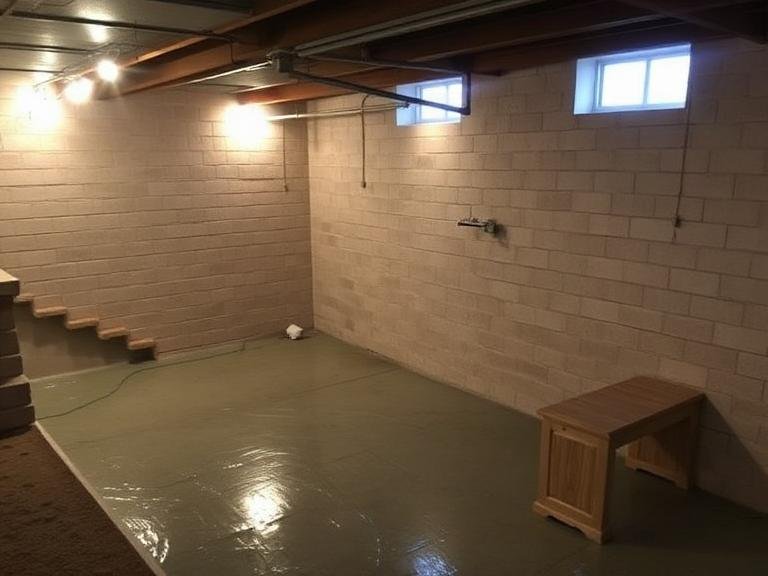
From our experience at Aoyalis, financial variance in sub-grade remediation stems directly from the choice between superficial moisture blocking and comprehensive hydrostatic pressure management. While standard patch repairs offer short-term relief, true structural preservation demands a multi-layered approach combining internal water redirection with high-performance elastomeric chemical barriers. In this authoritative guide, we provide a complete cost framework, evaluate the variable technical methodologies, and demonstrate how specialized polymer chemistry optimizes structural protection metrics.
Table of Contents
- 1. Cost to Waterproof a 1500 Sq Ft Basement: Macro Budgetary Estimates
- 2. Technical Methodologies: Interior Sump Redirection vs. Exterior Shielding
- 3. Primary Cost Drivers of Sub-Grade Waterproofing Projects
- 4. Detailed Expenditure Summary Table
- 5. Material Chemistry: Choosing the Correct Polymer Sealants
- 6. Sustainable Sourcing: The Aoyalis Structural Material Strategy
- 7. Frequently Asked Questions (FAQs)
- 8. Professional and Industry References
1. Cost to Waterproof a 1500 Sq Ft Basement: Macro Budgetary Estimates
The total investment required to completely protect a sub-grade structure scales directly with the severity of the water table interaction. For a standard residential or light commercial property, the total cost to waterproof a 1500 sq ft basement typically ranges between 3000 USD and 15000 USD for standard internal mitigation, but can climb between 18000 USD and 35000 USD if extensive exterior excavation and perimeter structural shielding are required.
We recommend categorizing the project into specific execution tiers before allocating capital. A minor dampness issue characterized by capillary sweating can easily be managed via advanced negative-side crystalline coatings and chemical sealants. Conversely, systemic flooding driven by a high regional water table demands a comprehensive drainage design. Failure to accurately diagnose the root cause of water entry leads to rapid material breakdown and wasted project budgets.
2. Technical Methodologies: Interior Sump Redirection vs. Exterior Shielding
Moisture control strategies are generally divided into interior systems and exterior barrier methods. Each approach has distinct cost structures and structural life expectancies that impact the overall project scope.
Interior Drainage Systems (French Drains and Sump Assemblies)
Interior mitigation focuses on controlling water after it breaches the foundation walls. This method requires cutting a channel around the internal slab perimeter, installing a perforated drainage line, and routing the incoming water to a high-volume sump pump system. For a 1500 square foot layout, this process usually costs between 6000 USD and 12000 USD. While it does not prevent the foundation walls from contacting external moisture, it successfully prevents hydrostatic pressure from cracking the basement floor.
Exterior Waterproofing Systems (Positive-Side Excavation)
Exterior mitigation is the most effective way to protect a foundation because it stops water from entering the structure entirely. Contractors excavate the surrounding soil down to the footing level, wash the exposed masonry walls, and apply a thick, seamless positive-side waterproof membrane. Because this requires heavy excavation machinery, utility line coordination, and intensive manual labor, it represents a substantial investment, typically ranging from 15000 USD to over 30000 USD for a 1500 square foot footprint.
3. Primary Cost Drivers of Sub-Grade Waterproofing Projects
When calculating the precise cost to waterproof a 1500 sq ft basement, several operational variables will shift the baseline contractor estimates:
- Linear Wall Footprint and Height: While the floor covers 1500 square feet, the price of vertical wall membranes depends entirely on the total linear perimeter footage and wall height. Higher walls mean more surface area, which increases chemical material and labor consumption.
- Foundation Crack Remediation: Structural settling causes cracks in poured concrete or block walls. Before applying any coating, technicians must inject these fissures with expanding polyurethane resins or high-strength epoxy mortars to stabilize the masonry.
- Exterior Obstructions and Landscaping: For exterior projects, the presence of concrete driveways, HVAC equipment, wooden decks, or mature landscaping increases excavation difficulty, driving up total labor hours and machinery rental costs.
- Sump Pump System Redundancy: We recommend always installing a dual-pump system that includes a primary AC pump alongside a high-capacity battery backup pump. This ensures continuous operation during severe storms when electrical grids fail.
4. Detailed Expenditure Summary Table
To help asset managers and property owners structure their financial budgets, this responsive summary table compares the typical costs and functional lifespans of different basement waterproofing strategies.
| Waterproofing Method | Average Material Cost | Average Labor & Setup | Total Estimated Cost (1500 Sq Ft) | Expected System Lifespan |
|---|---|---|---|---|
| Interior Elastomeric Coatings | 800 USD – 1500 USD | 1500 USD – 3000 USD | 2300 USD – 4500 USD | 5 – 10 Years |
| Perimeter French Drain & Sump | 2000 USD – 4000 USD | 4500 USD – 8000 USD | 6500 USD – 12000 USD | 20 – 30 Years |
| Exterior Membrane & Excavation | 3500 USD – 6000 USD | 12000 USD – 24000 USD | 15500 USD – 30000 USD | Flawless Lifetime Warranty |
| Combined Multi-Tier System | 5000 USD – 9000 USD | 16000 USD – 31000 USD | 21000 USD – 40000 USD | Ultimate Structural Protection |
5. Material Chemistry: Choosing the Correct Polymer Sealants
From our experience, the long-term success of a waterproofing project depends entirely on the chemical composition of the specified coatings. Silicate-based concrete hardeners react with the free lime in masonry to plug microscopic pores, which works well for mild vapor control. However, if a structure experiences ongoing settling or hydrostatic shifts, rigid crystalline coatings can fracture over time.
For walls prone to micro-fissures, we recommend specifying high-build, fiber-reinforced elastomeric polymer coatings. These compounds provide over 300% elongation, allowing the cured layer to stretch over moving hairline cracks without breaking the waterproof seal. Using high-tensile, cross-linked coatings creates a long-lasting barrier that keeps below-grade living spaces dry and functional for decades.
6. Sustainable Sourcing: The Aoyalis Structural Material Strategy
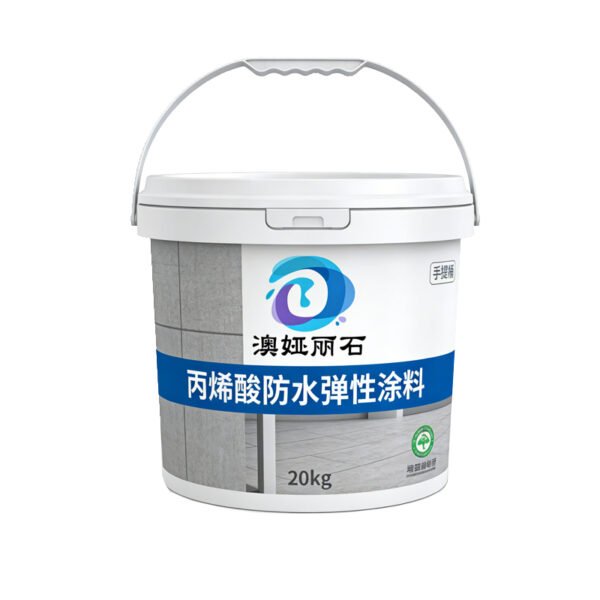


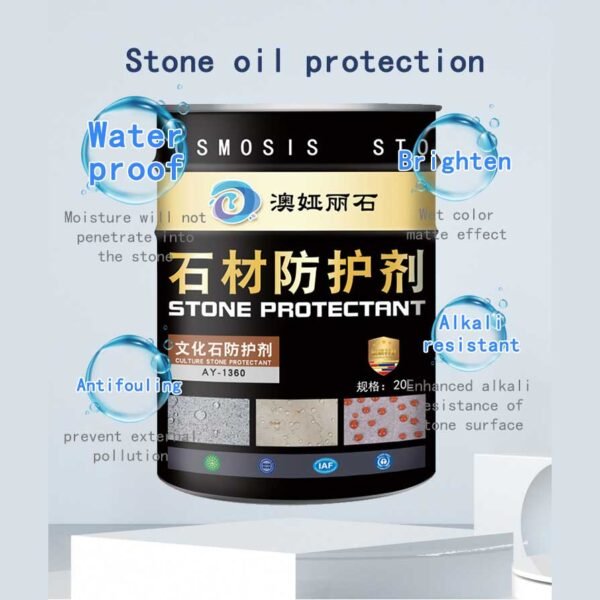
While hiring a local contractor handles the physical labor, specifying high-performance materials is what guarantees a long-lasting repair. Aoyalis is a leading manufacturer and supplier of waterproofing materials, waterproof paint, and advanced stone chemical solutions. With a 2,000㎡ production facility, cutting-edge equipment, and a dedicated R&D team, we offer high-quality, durable, and eco-friendly products for professional use across the construction and stone care industries.
By controlling our polymer polymerization and batch production lines, we ensure our products deliver excellent adhesion to porous concrete, brick, and block foundations. For contractors looking to expand into commercial interior wet-room prep or secondary basement shower installations, we recommend studying our detailed technical analysis on the waterproof membrane for showers category to ensure correct material integration across different backing boards.
For severe exterior foundations, deep sub-grade basements, or retaining walls facing high moisture exposure, choosing the right material is critical. Teams can explore our performance evaluation of the liquid rubber waterproof sealant tier to learn how modern modified rubber coatings protect buried masonry structures from degradation.
If your project includes above-grade structures, walk-out basements, or exterior concrete stairs exposed to UV rays and freezing weather, selecting weather-resistant coatings is essential. Property managers can read our comprehensive outdoor waterproof paint guide to discover durable exterior options, or view specialized masonry coatings in our guide on the waterproof exterior wall paint selection.
Finally, choosing the proper material formula requires matching the coating to the specific underlying substrate. To help your engineering teams make the right choice, we recommend reviewing our educational guides on the different types of waterproof paint, or check our master industry brief on the best waterproof paints guide to optimize long-term chemical durability across your entire property portfolio.
7. Frequently Asked Questions (FAQs)
What is the baseline cost to waterproof a 1500 sq ft basement using interior methods?
For a 1500 square foot floor layout, an interior drainage system featuring perimeter channels and a dual sump pump setup typically ranges from 6000 USD to 12000 USD. Simple negative-side elastomeric coatings can be applied for 2300 USD to 4500 USD, depending on wall preparation requirements.
Does a homeowner insurance policy cover the cost of basement waterproofing?
Standard homeowners insurance policies generally do not cover remediation costs for gradual hydrostatic water seepage or high water table intrusion. Coverage is usually restricted to sudden, accidental plumbing failures or specific flood insurance riders.
How long does it take an engineering crew to complete a full basement waterproofing project?
Interior drainage installations for a 1500 square foot area are usually completed within 3 to 5 business days. Exterior excavation projects require more time due to earthmoving, surface washing, and membrane curing, typically taking 7 to 14 days depending on weather conditions.
Why should I use an elastomeric coating instead of standard concrete paint?
Standard concrete paint forms a thin, rigid layer that easily cracks when the foundation undergoes thermal expansion or minor settling. Elastomeric coatings form a thick, flexible membrane that stretches over shifting hairline cracks, maintaining a reliable waterproof barrier under pressure.
8. Professional and Industry References
1. American Concrete Institute. (2021). Guide to Guide to Waterproofing, Dampproofing, and Protective Shield Systems for Concrete Structures (ACI 515.2R-21). Farmington Hills, MI. Available via https://www.concrete.org/)
2. International Code Council. (2024). International Residential Code – Section R406: Foundation Waterproofing and Dampproofing Regulations. Available via https://www.iccsafe.org/)
3. National Association of Waterproofing and Structural Repair Contractors (NAWSRC). (2025). Sub-Grade Geotechnical Engineering Drainage Guidelines and Hydrostatic Pressure Management Manual. Industrial Reference Database.