
In the fields of structural engineering, facility management, and residential construction, the integrity of a building envelope is heavily reliant on moisture barriers. When property owners and general contractors evaluate moisture control systems, the primary question that inevitably arises is: how long does waterproof coating last? The answer to this critical engineering question is not a simple timeframe. It is a complex variable determined by substrate chemistry, application methodology, environmental stressors, and the specific polymer chains utilized in the membrane itself.
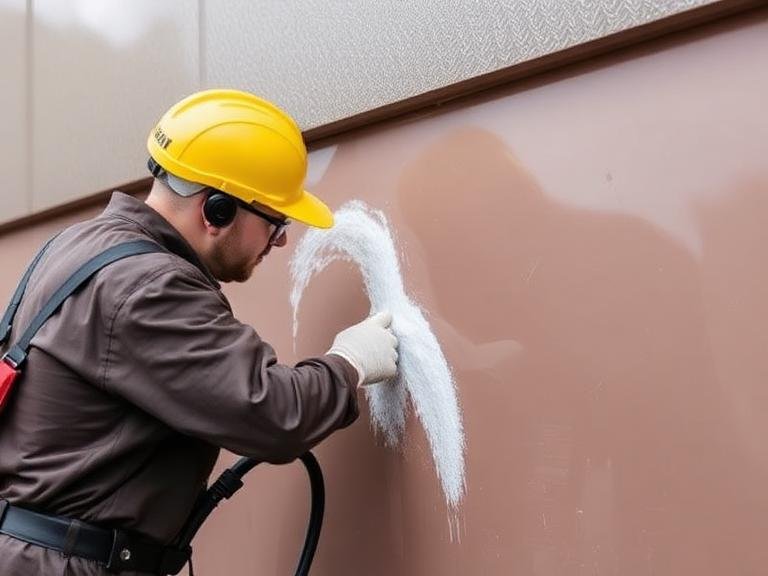
As a leading manufacturer and supplier of advanced stone chemical solutions and protective membranes, Aoyalis approaches this topic with decades of industrial expertise. We operate a massive 2,000㎡ production facility equipped with cutting-edge equipment, supported by a dedicated R&D team committed to developing high-quality, durable, and eco-friendly products. From our experience, understanding exactly how long does waterproof coating last allows facility managers to forecast maintenance budgets accurately and prevents catastrophic structural failures caused by hidden water ingress.
Table of Contents
- 1. Understanding the Core Metrics: How Long Does Waterproof Coating Last?
- 2. Material Formulations and Their Expected Longevity
- 3. Summary Table: Coating Types and Durability
- 4. 5 Key Factors Determining How Long Does Waterproof Coating Last
- 5. Interior vs. Exterior Dynamics
- 6. Maximizing Longevity Through Maintenance
- 7. The Aoyalis Difference in Waterproofing Technology
- 8. Frequently Asked Questions (FAQs)
- 9. Academic and Industry References
1. Understanding the Core Metrics: How Long Does Waterproof Coating Last?
When architects and engineers ask how long does waterproof coating last, they are essentially asking about the chemical degradation rate of the specific polymer applied to the substrate. In a perfectly controlled laboratory environment, some synthetic polymers can resist water penetration indefinitely. However, real-world applications introduce ultraviolet (UV) radiation, thermal expansion and contraction, substrate settling, and constant hydrostatic pressure. On average, standard commercial applications will function effectively for 5 to 15 years, while premium, industrially applied systems can exceed 20 years.
Determining exactly how long does waterproof coating last requires an audit of the exact location. For instance, a subterranean foundation wall facing thousands of pounds of hydrostatic water pressure will degrade the coating at a vastly different rate than an open-air balcony facing extreme UV degradation. Therefore, we recommend isolating the exact use-case scenario before attempting to estimate the lifecycle of the protective membrane.
2. Material Formulations and Their Expected Longevity
The chemical composition of the barrier is the single largest indicator of how long does waterproof coating last. Different formulations are engineered for specific environmental stresses.
Polyurethane Membranes
Polyurethane is highly prized in the construction industry for its seamless application and incredible flexibility. Because it can stretch and recover, it bridges hairline cracks as concrete expands and contracts over seasonal thermal cycles. So, how long does waterproof coating last when made of polyurethane? Under normal pedestrian or light vehicular traffic, a high-quality polyurethane system will last between 10 to 15 years. It is highly resistant to pooling water, making it exceptional for flat roofs and podium decks.
Epoxy Coatings
Epoxy creates a rigid, highly impermeable, and chemical-resistant barrier. It is incredibly durable against mechanical abrasion and harsh industrial solvents. However, epoxy lacks flexibility, meaning structural shifts in the concrete can cause the epoxy layer to fracture. We recommend using epoxy exclusively for interior applications where temperatures remain stable. In these conditions, you will find the answer to how long does waterproof coating last to be exceptionally favorable, often reaching 10 to 20 years. To achieve this longevity, incorporating premium waterproof paint for concrete tailored with epoxy resins is highly effective.
Cementitious Waterproofing
Cementitious waterproofing relies on a mixture of cement, sand, and active waterproofing chemicals. It is inherently rigid but bonds exceptionally well to masonry and concrete substrates because it shares a similar chemical profile. When applied in subterranean zones without exposure to sunlight, how long does waterproof coating last in a cementitious format? Typically, it provides 10 to 15 years of solid protection, provided the structure does not experience severe dynamic movement.
Acrylic Formulations
Acrylic coatings are water-based, environmentally friendly, and easy to apply. They offer excellent UV resistance and retain their color well, making them ideal for sloped exterior facades and external masonry walls. However, they are sensitive to standing water (ponding). When evaluating how long does waterproof coating last for acrylics, industry standards place their lifespan at 5 to 10 years, requiring more frequent recoating schedules compared to solvent-based alternatives.
3. Summary Table: Coating Types and Durability
To provide a clear, scannable reference for procurement specialists and facility managers evaluating how long does waterproof coating last, we have compiled the following summary table detailing primary materials, ideal applications, and estimated lifespans.
| Waterproof Coating Type | Primary Chemical Base | Ideal Application Environment | Average Estimated Lifespan |
|---|---|---|---|
| Polyurethane System | Elastomeric Resin | Flat roofs, balconies, podiums, parking decks | 10 – 15 Years |
| Epoxy Resin Coating | Polyamine / Bisphenol | Interior basement floors, industrial workshops, warehouses | 10 – 20 Years |
| Cementitious Slurry | Portland Cement & Polymers | Subterranean walls, elevator pits, water treatment tanks | 10 – 15 Years |
| Acrylic Membrane | Water-based Acrylic Polymer | Exterior vertical facades, sloped roofing structures | 5 – 10 Years |
| Silicone Roof Coating | High-Solids Silicone | Commercial flat roofing exposed to severe UV and ponding | 15 – 20 Years |
4. 5 Key Factors Determining How Long Does Waterproof Coating Last
Understanding the theoretical lifespan of a material is only half the equation. From our experience, the practical reality of how long does waterproof coating last is dictated entirely by field conditions and applicator competence. We have identified five critical factors that dictate the success or failure of a moisture barrier.
Factor 1: Surface Preparation Quality
The number one reason for premature coating failure is inadequate surface preparation. If a coating is applied over laitance, oil, dust, or existing peeling paint, the chemical bond is compromised. The coating will blister and peel off within months. To maximize how long does waterproof coating last, concrete must be mechanically ground, shot-blasted, or acid-etched to open the pores, allowing the primer to deeply penetrate the substrate.
Factor 2: Extreme Environmental and Weather Conditions
A membrane applied in a mild, temperate climate will outlast the exact same membrane applied in a region experiencing brutal freeze-thaw cycles or extreme tropical humidity. UV radiation acts as a constant catalyst for polymer degradation, breaking down the chemical bonds of the coating, causing it to chalk, become brittle, and eventually crack.
Factor 3: Application Method and Millage (Thickness)
Manufacturers specify a distinct Wet Film Thickness (WFT) and Dry Film Thickness (DFT) for their products. If an applicator stretches the material too thin to save money, the resulting barrier will not possess the tensile strength necessary to resist hydrostatic pressure. Strictly adhering to the manufacturer’s specified consumption rates is mandatory when trying to maximize how long does waterproof coating last.
Factor 4: Hydrostatic Pressure Management
In subterranean applications, groundwater exerts immense physical pressure against foundation walls. If the coating is applied as a negative-side barrier (on the interior wall), it must resist the force of water pushing through the concrete. Specifying specialized waterproof paint for basement walls that is formulated to withstand high pounds per square inch (PSI) of hydrostatic pressure is non-negotiable for longevity.
Factor 5: Structural Movement and Settling
Concrete structures are not entirely static. Buildings settle into the soil, and thermal shifts cause expansion joints to expand and contract. If a rigid coating is used in a highly dynamic area, it will fracture. Utilizing highly elastomeric membranes capable of bridging dynamic cracks guarantees a significantly longer operational life.
5. Interior vs. Exterior Dynamics
The physical location of the coating drastically alters its chemical stresses. When assessing how long does waterproof coating last in a commercial setting, you must separate internal parameters from external exposures.
Exterior applications face a barrage of environmental assaults: thermal shock, UV degradation, acid rain, and physical abrasion from foot traffic or vehicles. In contrast, interior applications, particularly below-grade cellars, deal primarily with persistent moisture vapor transmission and hydrostatic pressure without the destructive force of sunlight. For homeowners addressing subterranean water ingress, exploring comprehensive basement waterproofing solutions provides a targeted approach that maximizes the lifespan of internal membrane applications.
6. Maximizing Longevity Through Maintenance
We recommend a proactive maintenance protocol to extend how long does waterproof coating last. No protective membrane is entirely “set it and forget it.” Annual visual inspections should be conducted to identify signs of chalking, bubbling, or edge delamination. Addressing a small localized failure prevents water from traveling underneath the membrane and causing widespread delamination.
For horizontal surfaces, such as garage floors and mechanical rooms, the application of an advanced waterproof concrete sealer acting as a sacrificial topcoat can absorb physical abrasion, thereby protecting the primary waterproofing layer underneath and significantly extending its functional life.
7. The Aoyalis Difference in Waterproofing Technology
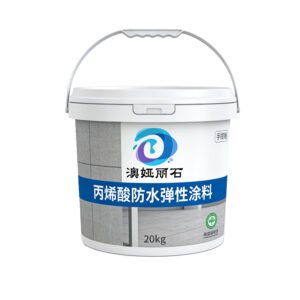
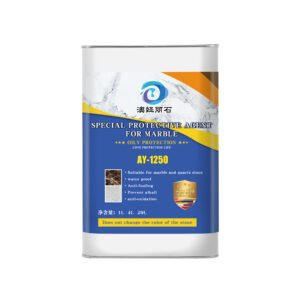
Choosing the right chemical formulation is critical. Aoyalis operates at the forefront of stone care and moisture mitigation. With our massive 2,000㎡ production facility and an elite R&D team, we continuously innovate to extend exactly how long does waterproof coating last in both industrial and residential settings. We engineer our eco-friendly products to meet the rigorous demands of professional contractors who require absolute reliability and zero call-backs.
By controlling our supply chain and manufacturing processes, we ensure that every batch of polymer, epoxy, or acrylic resin delivers maximum tensile strength and adhesion. For procurement specialists and commercial contractors looking to secure long-term structural integrity, we invite you to explore our comprehensive range of professional-grade waterproofing materials to find the exact formulation required for your specific project environment.
8. Frequently Asked Questions (FAQs)
Exactly how long does waterproof coating last on a flat concrete roof?
On a flat concrete roof exposed to direct UV radiation and potential water ponding, a high-quality polyurethane or silicone coating will last between 10 to 15 years. This lifespan can be extended to 20 years if a proper maintenance and re-coating schedule is followed.
How long does waterproof coating last on interior basement walls compared to exterior foundations?
Interior basement coatings, such as specialized cementitious or epoxy formulations, can last 10 to 15 years because they are protected from UV rays and thermal shock. Exterior foundation coatings applied during construction can last over 20 years, as they are shielded by soil and typically feature thick, rubberized asphaltic membranes.
What causes a waterproof coating to fail prematurely?
From our experience, the vast majority of premature failures are caused by improper surface preparation prior to application. Applying coatings over damp concrete, dust, oil, or existing failing paint prevents the chemical bond from forming, leading to rapid blistering and peeling regardless of the material’s quality.
Does applying a thicker coat increase how long does waterproof coating last?
Only up to a point. While achieving the manufacturer’s recommended Dry Film Thickness (DFT) is mandatory, applying the coating excessively thick in a single pass can trap solvents, prevent proper curing, and lead to internal cracking. It is always better to apply multiple thin coats than one overly thick layer.
9. Academic and Industry References
To ensure the highest level of engineering accuracy regarding how long does waterproof coating last, the technical principles discussed in this guide align with the standards established by the following authoritative bodies:
- American Concrete Institute (ACI): ACI 515.2R-13: Guide to Selecting Protective Treatments for Concrete. Provides extensive testing data on the durability, application, and longevity of polymer membranes. View ACI Standards.
- ASTM International: ASTM C836 / C836M – High Solids Content, Cold Liquid-Applied Elastomeric Waterproofing Membrane for Use with Separate Wearing Course. Defines the physical property requirements for elastomeric waterproofing longevity. View ASTM Standards.
- International Concrete Repair Institute (ICRI): Guideline No. 310.2R-2013 – Selecting and Specifying Concrete Surface Preparation for Sealers, Coatings, Polymer Overlays, and Concrete Repair. Outlines the critical surface profile (CSP) requirements that dictate coating lifespan.