Managing structural concrete health requires a deep understanding of chemical waterproofing, especially when addressing below-grade basements. Sub-surface concrete is subjected to constant hydrostatic pressure, ambient subsoil moisture, and chemical attacks from dissolved minerals. When moisture forces its way through the porous network of an untreated foundation slab, it leads to efflorescence, structural degradation, and poor indoor air quality. From our experience at Aoyalis, choosing high-performance options from leading basement concrete sealer manufacturers is the single most important decision for protecting a building’s foundation infrastructure.
The standard residential market is filled with basic, topical acrylic coatings that flake off when moisture pushes from the outside. To achieve real, long-term protection, civil engineers and professional waterproofing contractors rely on deep-penetrating reactive sealers. These formulations travel deep into the concrete’s microscopic pores, creating a permanent barrier that stops water from passing through. We recommend looking past simple retail marketing claims and evaluating chemical options based on active solids content, concrete density interaction, and molecular bond durability.
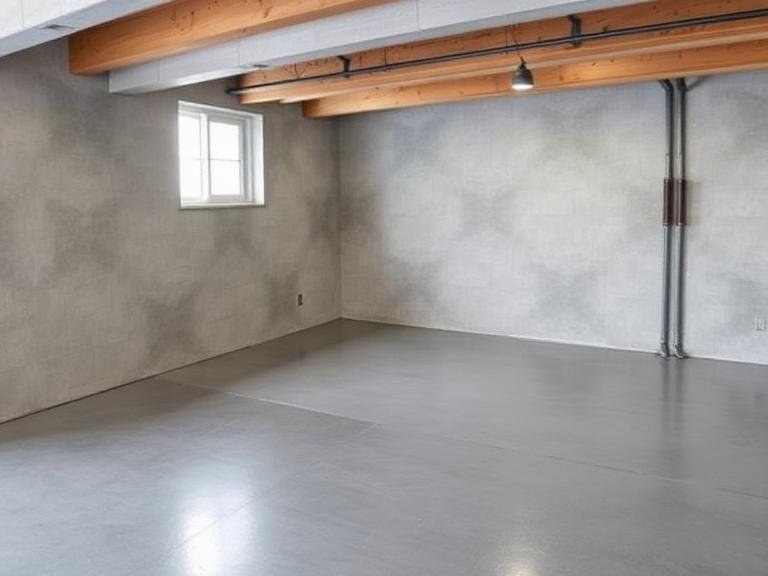
In this publication-ready guide, we review six of the most reliable and technologically advanced basement concrete sealer manufacturers currently supplying the US market. We evaluate their proprietary chemical formulations, review structural application protocols, and look at how selecting the right industrial chemical system protects subterranean masonry structures from moisture issues.
Industrial Performance Summary: Modern sub-grade concrete protection relies on advanced penetrating chemical reactions. This analysis outlines the top six industrial manufacturers based on their molecular penetration capabilities, active solids concentration, resistance to hydrostatic pressure, and long-term structural reliability.
Table of Contents
- 1. The Chemistry of Below-Grade Concrete Waterproofing
- 2. RadonSeal: Pioneers in Deep Penetrating Sodium Silicate Polymers
- 3. Ghostshield: Industrial Nano-Lithium Molecular Integration
- 4. Foundation Armor: High-Solids Silane-Siloxane Formulations
- 5. Xypex Chemical Corporation: Crystalline Diffusion Engineering
- 6. PS104: Heavy-Duty Commercial Penetrating Siliconate Barriers
- 7. Aquaseal: Flexible Moisture-Vapor Barrier Coatings
- 8. Comparative Analytical Matrix: Sealant Chemistry Performance
- 9. Material Formulation Synergies: Matching Coatings to Substrates
- 10. Frequently Asked Questions (FAQs)
- 11. International Concrete Testing and Material Standards
1. The Chemistry of Below-Grade Concrete Waterproofing
To accurately assess the top basement concrete sealer manufacturers, one must understand the microscopic structure of concrete itself. Concrete is inherently a porous material, resembling a dense, hard sponge filled with fine capillary networks formed during the water evaporation process. When moisture accumulates in the surrounding soil, hydrostatic pressure drives water directly through these mineral pathways. This means simple surface coatings will quickly bubble and peel due to pressure coming from behind the wall.
From our experience, the most permanent solution is to trigger a chemical reaction within the concrete matrix. Penetrating sealers, such as silicates, siliconates, and silane-siloxanes, travel deep into the pores and react with free calcium hydroxide. This reaction forms a water-insoluble calcium silicate hydrate crystalline structure, turning the porous concrete into a solid, waterproof barrier. This chemical change stops moisture transmission while allowing the concrete to breathe out trapped air.
This systematic chemical sealing process mirrors techniques used across specialized protective coating industries. For example, when engineering moisture protection for complex interior layouts, using a dedicated moisture resistant bathroom paint is required to manage airborne humidity. Similarly, when sealing structural surfaces exposed to heavy moisture, pairing a penetrating chemical base with a specialized waterproof paint for shower walls layout provides an excellent multi-layer line of defense.
2. RadonSeal: Pioneers in Deep Penetrating Sodium Silicate Polymers
RadonSeal has built an outstanding reputation across North America by producing heavy-duty, deep-penetrating reactive sodium silicate sealers. Their signature formulation is engineered to penetrate up to four inches into poured concrete slabs and concrete blocks. Once deep inside the capillaries, it reacts chemically to seal the tiny pathways, blocking water, moisture vapor, and toxic radon gas from rising out of the ground.
We recommend RadonSeal for older, chalky basement concrete that is starting to show signs of minor structural dusting. The sodium silicate reaction adds new strength to the internal concrete matrix, hardening the surface while permanently stopping moisture. Because it forms its barrier deep inside the pores rather than on the surface, it leaves the concrete looking natural, making it an excellent primer for subsequent floor coverings or decorative coatings.
3. Ghostshield: Industrial Nano-Lithium Molecular Integration
Ghostshield focuses on advanced molecular engineering, producing high-performance concrete sealers based on nano-lithium silicates and fluorinated silane technology. Their flagship products, like Siloxa-Tek 8500 and Lithi-Tek 9500, utilize tiny molecular particles that travel deep into high-density concrete mixes that traditional sodium formulations cannot effectively penetrate.
From our perspective, Ghostshield represents the absolute cutting edge for high-density, modern residential and commercial foundation pours. Their nano-lithium silicates react quickly to increase the density of the concrete, while their silane-siloxane blends create an excellent oil- and water-repellent layer. This dual-action chemical approach provides exceptional defense against moisture, heavy hydrostatic pressure, and efflorescence formation, making it a favorite among architectural restoration specialists.
4. Foundation Armor: High-Solids Silane-Siloxane Formulations
Based in Florida, Foundation Armor is a highly regarded manufacturer specializing in premium, high-solids solvent-based and water-based penetrating sealers. Their Armor SX5000 is an approved, high-performance silane-siloxane sealer that bonds chemically with the silica inside the concrete. This creates a powerful hydrophobic layer that forces water to bead up and roll away rather than soak into the surface.
The main benefit of Foundation Armor’s chemistry is its exceptional resistance to freeze-thaw cracking cycles and high soil alkalinity. The hydrophobic barrier remains fully active even when exposed to fluctuating seasonal temperatures and aggressive soil conditions. This level of durability makes them an outstanding option for basements in cold northern regions, where subsoil moisture frequently freezes and shifts against foundation walls.
5. Xypex Chemical Corporation: Crystalline Diffusion Engineering
Xypex Chemical Corporation is a global leader in heavy commercial waterproofing, known for its advanced crystalline technology. Unlike traditional penetrating sealers, Xypex uses a unique chemical diffusion process that uses moisture to carry active chemicals deep into the concrete’s capillary tracts. Once inside, these chemicals grow a dense, web-like crystalline structure that completely fills the microscopic pores and micro-cracks.
We recommend Xypex for basements facing extreme hydrostatic pressure, active weeping, or significant structural water leaks. The crystalline barrier remains active for the entire life of the structure, automatically restarting its crystal growth if new hairline cracks develop over time. This commercial-grade performance makes it an elite choice for civil infrastructure, underground utility tunnels, and deep residential basements built near high water tables.
6. PS104: Heavy-Duty Commercial Penetrating Siliconate Barriers
PS104 specializes in producing high-grade, water-soluble potassium siliconate penetrating sealers designed for smooth, hard-troweled concrete surfaces. Their formulations react with the calcium hydroxide inside the concrete to form a durable, water-repellent barrier just below the surface. This chemical barrier stops liquid water from soaking into the material while allowing vapor to escape cleanly.
PS104 is an excellent choice for sealing interior garage floors and basement workshop areas that require reliable protection against water stains, road salts, and light chemical spills. The siliconate reaction seals the concrete without changing its slick, polished surface, maintaining a clean look while providing long-term protection against dusting and water damage.
7. Aquaseal: Flexible Moisture-Vapor Barrier Coatings
Aquaseal delivers outstanding basement protection through its specialized line of flexible, elastomeric moisture barriers and advanced polyurethane coatings. While penetrating silicates work by filling individual pores, Aquaseal’s product line creates a continuous, flexible membrane across the surface of the concrete block or poured wall. This flexible barrier can span small hairline cracks and adapt to minor foundation shifting without tearing.
Their advanced polymer formulas are excellent for sealing rough, uneven concrete blocks and masonry walls that have too many large voids for standard penetrating sealers to work effectively. Aquaseal creates a durable, rubberized shield that stops damp soil smells and moisture vapor from seeping into the living space, making it an ideal option for homeowners preparing to finish and frame out a dry basement room.
8. Comparative Analytical Matrix: Sealant Chemistry Performance
To help you choose the right chemical formula for your specific basement project, this table compares how different sealers perform across key industry indicators, including depth of penetration, hydrostatic resistance, and lifespan.
| Chemical Sealant Classification | Primary Chemical Action | Average Penetration Depth | Hydrostatic Pressure Resistance | Expected Service Lifespan |
|---|---|---|---|---|
| Sodium Silicates (RadonSeal) | Reacts with calcium to form insoluble crystals | 2.0 – 4.0 Inches | High Resistance | Permanent (Lifetime) |
| Nano-Lithium Silicates (Ghostshield) | Fills micro-pores via ultra-small nano particles | 2.5 – 5.0 Inches | Excellent Resistance | Permanent (Lifetime) |
| Silane-Siloxanes (Foundation Armor) | Creates a highly hydrophobic surface layer | 0.5 – 1.0 Inch | Moderate Resistance | 5 – 10 Years |
| Crystalline Diffusion (Xypex) | Continuous crystal growth inside micro-cracks | Dynamic (Deep Diffusion) | Extreme High Resistance | Permanent (Lifetime) |
| Potassium Siliconates (PS104) | Forms an effective water-repellent sub-surface zone | 0.25 – 0.75 Inch | Moderate Resistance | 7 – 12 Years |
| Elastomeric Polymers (Aquaseal) | Creates a continuous, flexible surface membrane | Surface Film (Topical) | High (External Facing) | 5 – 8 Years |
As the data indicates, selecting the correct chemical formulation depends on your basement’s specific structural condition and moisture level. For projects requiring high-precision chemical distribution across industrial lines, engineers use advanced machinery like a specialized Filter Element Making Machine to guarantee fluid purity. In the same way, applying these concrete sealers requires careful surface preparation to ensure the chemical active solids penetrate the substrate smoothly without blockage.
9. Material Formulation Synergies: Matching Coatings to Substrates
From our experience, achieving absolute structural waterproofing often requires combining different advanced coating materials to create a comprehensive moisture barrier system. A single coat of sealer can stop water from rising through a floor slab, but vertical walls and wet zones need a multi-layered approach to handle regular exposure to moisture.
For example, when converting basements into finished bathrooms, laundry suites, or gym areas, you need specialized coatings for every surface. After using a silicate sealer to harden the floor slab, we recommend applying a dedicated waterproof paint for bathroom tiles to protect finished walls from high indoor humidity. For walk-in basement showers, using a high-durability waterproof paint for shower low floor system ensures water cannot seep downward into the foundation, while a matching application of waterproof paint for shower ceiling panels stops steam from soaking into upper framing joists.
This multi-layered approach is common practice across the civil construction industry. Whether you are sealing below-grade basement walls or applying a high-performance waterproof paint for metal roofs on commercial buildings, matching the protective material to its specific environment is the only way to ensure permanent protection against water damage.
This standard of material quality control is critical when working with high-performance chemicals. In industrial warehousing, for example, operations use heavy-duty Garage Shelving units to store heavy bulk chemicals safely without bending. Ensuring your sealing compounds are stored under proper climate controls keeps the active solids stable, guaranteeing full chemical penetration when applied to your concrete floor.
Professional Testing Recommendation: Before applying any penetrating sealer to your basement floor, perform a simple water drop test. Place several drops of clean water onto different areas of the concrete slab. If the water drops soak into the concrete within 60 seconds, the pores are open and ready for a penetrating sealer. If the water beads up on the surface, an old sealer or curing agent is still active, and you must mechanically grind the surface to open the pores before proceeding.
10. Frequently Asked Questions (FAQs)
What is the difference between a penetrating sealer and a topical coating?
Penetrating sealers travel deep into the concrete’s pores to create a permanent chemical barrier inside the material, leaving the surface look unchanged. Topical coatings sit on top of the concrete to form a surface film, which can bubble and peel if moisture pushes through from behind.
How long do I need to wait before applying a sealer to newly poured basement concrete?
Most standard penetrating sealers require newly poured concrete to cure for at least 28 days. This allows the concrete to develop its full strength and lowers internal moisture levels enough for the sealing chemicals to penetrate and react properly.
Can a penetrating silicate sealer fix large cracks in my basement wall?
No, standard penetrating silicates are designed to seal microscopic pores and micro-cracks under 0.5mm wide. For large structural cracks or moving joints, you must use a heavy-duty polyurethane injection foam or a structural hydraulic cement before applying a sealer.
Are water-based concrete sealers as effective as solvent-based options?
Yes, modern water-based penetrating sealers are highly effective and offer excellent eco-friendly benefits. They deliver outstanding performance without the strong chemical smells and high VOC emissions of solvent-based alternatives, making them much safer for interior basement projects.
Will sealing my basement floor stop radon gas from leaking into my home?
Yes, deep-penetrating silicates like RadonSeal react to plug the microscopic pathways inside the concrete, significantly reducing the transmission of radon gas and soil moisture vapor through your basement floor slab.
11. International Concrete Testing and Material Standards
The chemical classifications, testing procedures, and performance metrics detailed in this guide follow established international building and materials standards, including:
- ASTM C1543 – Standard Test Method for Determining the Penetration of Chloride Ion into Concrete by Ponding
- ACI 515.2R – American Concrete Institute Guide to Selecting and Specifying Materials for Waterproofing and Damp-proofing
- EPA Radon Mitigation Standards – US Environmental Protection Agency protocols for gaseous entry reduction via masonry sealing
Aoyalis is a leading manufacturer and supplier of waterproofing materials, waterproof paint, and advanced stone chemical solutions. With a 2,000㎡ production facility, cutting-edge equipment, and a dedicated R&D team, we offer high-quality, durable, and eco-friendly products for professional use across the construction and stone care industries.