
Waterproofing cement is essential for protecting concrete structures from moisture damage, cracks, and long-term deterioration. Whether you’re dealing with a residential driveway, a basement wall, or an industrial structure, the right waterproofing technique can extend service life, reduce maintenance costs, and prevent structural failures. In this guide, we’ll explore five proven methods to waterproof cement, explain their advantages, and help you choose the right one for your project.
Table of Contents Waterproof Cement
- 1. Apply a Penetrating Water Repellent Sealer
- 2. Use a Cementitious Waterproof Coating
- 3. Apply a Liquid Waterproof Membrane
- 4. Use Crystalline Waterproofing Admixtures
- 5. Apply Aoyalis Water-Based Waterproof Agent Concentrate
- Pro Tips for Long-Lasting Waterproofing
- Summary Table
- References
1. Apply a Penetrating Water Repellent Sealer
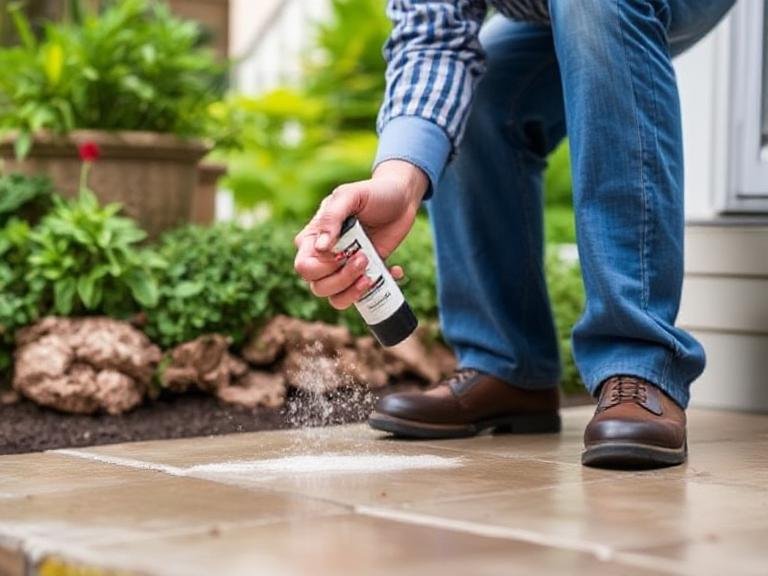
Penetrating sealers work by soaking into the cement and chemically reacting to form a hydrophobic layer inside the pores. These sealers are commonly made from silanes, siloxanes, or silicates.
Advantages
- Invisible Finish – Maintains the natural look of cement.
- Breathable – Allows moisture vapor to escape without trapping water inside.
- Durable – Long-lasting protection, often 5–10 years.
Best For
- Driveways, patios, and sidewalks
- Exterior walls exposed to rain
- Bridges and industrial concrete surfaces
2. Use a Cementitious Waterproof Coating
Cementitious coatings are applied like plaster directly to cement surfaces. They bond well and form a solid barrier against water ingress.
Advantages
- Easy Application – Can be brushed, rolled, or sprayed on.
- Excellent adhesion to concrete and masonry.
- Can be applied to both positive and negative water pressure sides.
Best For
- Basements and water tanks
- Retaining walls
- Swimming pools
3. Apply a Liquid Waterproof Membrane
Liquid membranes form a continuous waterproof film over cement. These are typically made from polyurethane, acrylic, or bitumen-based compounds.
Advantages
- Seamless Coverage – No joints where water can penetrate.
- Highly flexible – Can bridge cracks up to a certain width.
- UV resistant options available for outdoor use.
Best For
- Roof decks
- Balconies
- Exposed cement floors
4. Use Crystalline Waterproofing Admixtures
Crystalline admixtures are added to the cement mix before pouring. They work by forming insoluble crystals within the capillaries and micro-cracks when exposed to moisture.
Advantages
- Integral Protection – Waterproofing is built into the concrete itself.
- Self-healing – Crystals can grow to block future cracks when water enters.
- Long-lasting – Protection lasts the life of the structure.
Best For
- Foundations and tunnels
- Marine structures
- Underground parking areas
5. Apply Aoyalis Water-Based Waterproof Agent Concentrate

The Aoyalis Water-Based Waterproof Agent Concentrate is a high-performance solution designed for both professional and large-scale waterproofing applications. It’s eco-friendly, cost-effective, and suitable for a variety of cement and masonry surfaces.
Technical Specifications
- Dilution Ratio: 1:59 (1kg makes 60kg solution)
- Coverage: 10–15㎡/kg (diluted) depending on porosity
- pH Value: Alkaline (concentrate), Neutral when dry
- Water Resistance: >95% water repellency
- Temperature Range: -30°C to +80°C after curing
- Shelf Life: 2 years (unopened, 25°C max)
- Packaging: 25kg/sealed barrel
Key Benefits
- Superior Waterproofing Performance – Creates an insoluble film blocking over 90% of water penetration.
- Prevents efflorescence, frost damage, and spalling.
- Material Preservation – Maintains natural appearance with no gloss or color change.
- Breathable, UV-resistant, and alkali-resistant.
- Economic & Eco-Friendly – 60× dilution saves on shipping and reduces costs.
- Low VOC, non-flammable, and odorless when dry.
Best For
- Historic building preservation
- Outdoor walls, driveways, and walkways
- Large-scale industrial and commercial projects
Pro Tips for Long-Lasting Waterproofing
- Always clean and repair the cement surface before applying any waterproofing treatment.
- Ensure the surface is dry unless the product specifically allows damp application.
- For high-moisture environments, combine multiple methods for enhanced protection.
- Reapply coatings or sealers periodically as per manufacturer’s recommendation.
Summary Table Waterproof Cement
| Method | Key Advantage | Best For |
|---|---|---|
| Penetrating Sealer | Invisible protection, breathable | Driveways, exterior walls |
| Cementitious Coating | Strong adhesion, easy to apply | Basements, water tanks |
| Liquid Membrane | Seamless, flexible coverage | Balconies, roofs |
| Crystalline Admixture | Integral waterproofing, self-healing | Foundations, tunnels |
| Aoyalis Waterproof Agent | High repellency, eco-friendly, cost-efficient | Historic buildings, large projects |