
Table of Contents
- Introduction
- Why Waterproof Paint Matters
- Types of Waterproof Paints
- Factors That Determine Waterproofing Ability
- Applications of Waterproof Paints
- Advantages of Using Waterproof Paints
- Aoyalis: Trusted Supplier of Waterproof Paint
- Summary Table of Key Insights
- FAQs
- References
Introduction to Types Most Waterproof Paints
When it comes to protecting surfaces against water damage, choosing the Types Most Waterproof Paints is crucial. Waterproof paints are specially formulated to resist moisture, prevent leaks, and extend the life of surfaces. From roofs to swimming pools, the right waterproof coating ensures durability and performance. In this article, we’ll dive into the different types of waterproof paint, their applications, and highlight Aoyalis — a leading supplier of advanced waterproofing materials.
Why Types Most Waterproof Paints Matters
Water damage is one of the most common causes of deterioration in buildings and outdoor surfaces. Using waterproof paint helps:
- Prevent leaks: Creates a water-resistant barrier that stops infiltration.
- Extend surface lifespan: Protects concrete, stone, and wood from decay.
- Reduce maintenance costs: Minimizes the need for frequent repairs.
- Improve aesthetics: Prevents unsightly stains, cracks, and peeling caused by moisture.
5 Types Most Waterproof Paints
1. Acrylic Waterproof Paint
Acrylic-based paints are highly versatile, offering water resistance and flexibility. They are commonly used for walls, roofs, and exterior facades.
2. Epoxy Waterproof Paint
Known for their exceptional adhesion and durability, epoxy paints are often applied in industrial and commercial settings, especially for flooring and swimming pools.
3. Polyurethane Waterproof Paint
Provides high elasticity and resistance, making it suitable for roofs and outdoor areas exposed to extreme weather.
4. Bituminous Waterproof Paint
Derived from asphalt, this type of paint is excellent for metal surfaces and foundations, offering long-lasting waterproofing properties.
5. Cementitious Waterproof Paint
Easy to apply and highly effective, cementitious waterproof paints are widely used in basements, bathrooms, and swimming pools.
Factors That Determine Waterproofing Ability
- Paint composition: The type of binder, resin, and additives used affects waterproofing.
- Application method: Proper priming, coating thickness, and curing time are essential.
- Surface condition: Waterproof paint performs best on clean, dry, and properly prepared surfaces.
- Environment: Outdoor paints must withstand UV rays, rain, and temperature fluctuations.
Applications of Waterproof Paints
- Roofing: Protects against leaks and improves insulation.
- Swimming pools: Provides a durable waterproof layer resistant to chlorine and water pressure.
- Basements: Prevents water seepage through concrete walls.
- Bathrooms and kitchens: Safeguards against moisture damage and mold growth.
- Bridges and infrastructure: Extends the lifespan of structures exposed to harsh weather.
Advantages of Using Types Most Waterproof Paints
- Durability: Extends surface life by resisting water infiltration.
- Versatility: Suitable for walls, floors, roofs, and swimming pools.
- Low maintenance: Reduces long-term repair costs.
- Eco-friendly options: Many modern waterproof paints are non-toxic and sustainable.
Aoyalis: Trusted Supplier of Waterproof Paint
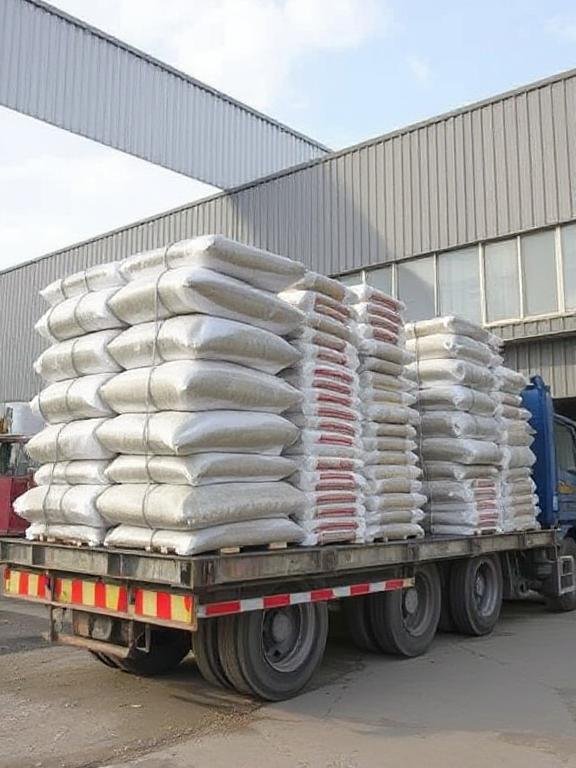
Aoyalis is a leading manufacturer and supplier of waterproofing materials, waterproof paint, and advanced stone chemical solutions. With a 2,000㎡ production facility, cutting-edge equipment, and a dedicated R&D team, Aoyalis provides eco-friendly, durable, and high-quality coatings for professional use across construction and stone care industries.
Our Key Products Include:
- Swimming Pool Waterproof Coating AY-4025L: Designed for long-lasting protection in submerged environments.
- Roof Heat Insulation Coating AY-3020L: Combines waterproofing with thermal insulation.
- Penetrating Waterproofing Agent AY-2002: Provides deep protection by penetrating surfaces to resist water infiltration.
Summary Table of Key Insights for Types Most Waterproof Paints
| Paint Type | Waterproofing Ability | Best Applications |
|---|---|---|
| Acrylic | Good resistance, flexible | Walls, roofs, exteriors |
| Epoxy | Excellent adhesion, durable | Floors, pools, industrial areas |
| Polyurethane | High elasticity, UV resistant | Roofs, outdoor structures |
| Bituminous | Strong waterproofing, long-lasting | Foundations, metals, pipelines |
| Cementitious | Highly effective, easy to apply | Basements, bathrooms, pools |
FAQs
1. What is the most waterproof paint for swimming pools?
Epoxy waterproof paints are the most durable and resistant for swimming pools, as they withstand water pressure and chemicals like chlorine.
2. Can waterproof paint stop leaks completely?
Yes, when properly applied, waterproof paint can prevent leaks. However, for severe cracks or structural issues, additional repairs may be necessary.
3. How long does waterproof paint last?
Depending on the type, waterproof paint can last 5–15 years with proper application and maintenance.
4. Is waterproof paint safe for indoor use?
Yes, many waterproof paints are designed for indoor applications like basements and bathrooms, and modern formulations are eco-friendly and low-VOC.
5. Why choose Aoyalis waterproof paint?
Aoyalis combines advanced technology, eco-friendly formulations, and industry expertise to deliver high-quality waterproof coatings trusted worldwide.