
Waterproofing a stone wall is one of the most essential maintenance tasks for preserving structural integrity, preventing moisture damage, and extending the lifespan of stonework. Whether you are protecting an outdoor garden wall, a basement, or a historic structure, proper waterproofing ensures that water cannot penetrate or erode the surface over time. In this comprehensive guide, we will cover the steps of stone wall waterproofing, the best waterproofing products, and expert techniques to achieve long-lasting results.
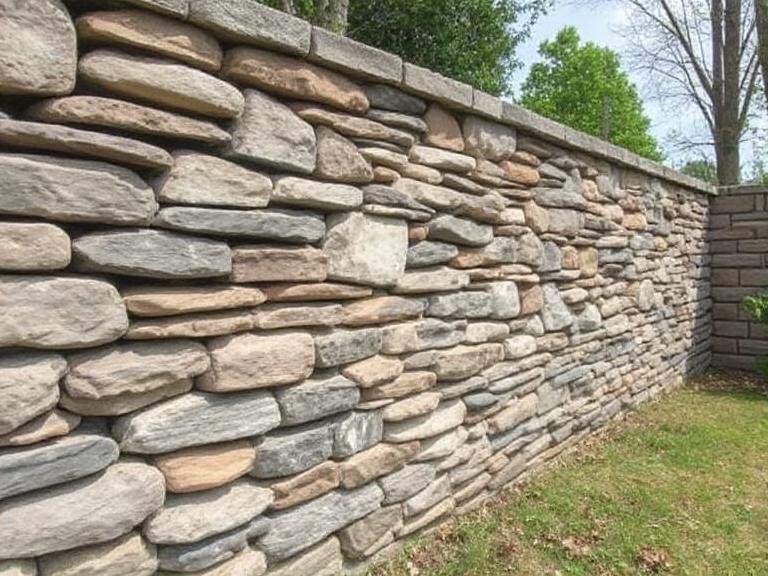
Table of Contents
- 1. Why Waterproofing a Stone Wall Is Important
- 2. Preparing the Stone Wall for Waterproofing
- 3. Effective Methods to Waterproof a Stone Wall
- 4. Choosing the Right Waterproofing Materials
- 5. Step-by-Step Waterproofing Process
- 6. Maintenance Tips After Waterproofing
- 7. Aoyalis: Your Reliable Partner for Waterproofing Materials
- 8. Summary Table: Key Takeaways
- 9. Frequently Asked Questions
- 10. References
1. Why Waterproofing a Stone Wall Is Important
Stone walls, though durable, are naturally porous. Over time, moisture infiltration can cause cracking, discoloration, and biological growth such as moss or mold. Without proper protection, these walls may weaken structurally and aesthetically.
Key Benefits of Waterproofing
- Prevents water absorption and internal damage from freeze-thaw cycles.
- Enhances resistance to mold and algae growth.
- Improves longevity and appearance of stone surfaces.
- Reduces maintenance costs over time.
- Helps protect mortar joints and prevent erosion.
2. Preparing the Stone Wall for Waterproofing
Before applying any waterproof coating or agent, proper preparation is crucial. The success of waterproofing depends heavily on the cleanliness and dryness of the surface.
Preparation Steps:
- Inspect the wall for cracks, loose mortar, or damaged stones.
- Clean thoroughly using a pressure washer or stiff brush to remove dirt, efflorescence, and organic matter.
- Repair cracks using appropriate masonry filler or repair mortar.
- Allow the wall to dry completely for 24–48 hours before waterproofing.
3. Effective Methods to Waterproof a Stone Wall
There are several ways to waterproof a stone wall, depending on its location, material type, and exposure to weather.
Surface Waterproofing
Surface waterproofing involves applying a waterproof coating, paint, or sealant on the wall surface. This is suitable for exterior walls exposed to rain or moisture.
Integral Waterproofing
This method mixes waterproofing agents into the mortar or plaster during construction. It provides internal protection but is best applied in new projects.
Drainage Systems
Installing French drains or weep holes helps redirect water away from the base of stone walls, minimizing hydrostatic pressure.
4. Choosing the Right Waterproofing Materials
Choosing the correct waterproofing product ensures long-term protection. Aoyalis provides advanced formulations specifically engineered for stone and masonry protection.
Top Waterproofing Materials
- Waterproof Coatings: Create a durable film on the stone surface to block water penetration.
- Waterproof Paints: Ideal for exterior decorative finishes that combine protection and aesthetics.
- Waterproofing Agents: Penetrate deep into the pores of the stone, providing invisible protection.
5. Step-by-Step Waterproofing Process
Here’s how to waterproof a stone wall effectively using modern materials and techniques:
Step 1: Clean the Wall Surface
Use a stiff brush or pressure washer to remove all dust, moss, and grime. Let the surface dry completely.
Step 2: Apply Primer (if required)
Some waterproof coatings require a primer for better adhesion. Apply a thin layer and let it dry.
Step 3: Apply Waterproof Coating
Using a brush, roller, or sprayer, apply the waterproof coating evenly. Ensure complete coverage, especially on joints and corners.
Step 4: Second Coat Application
After the first coat dries (usually 4–6 hours), apply the second coat perpendicular to the first for maximum protection.
Step 5: Curing and Inspection
Allow the coating to cure fully for 24–48 hours. Inspect for any missed spots or imperfections and retouch if necessary.
6. Maintenance Tips After Waterproofing
Proper maintenance extends the effectiveness of the waterproofing treatment.
- Reapply waterproofing every 5–7 years or as recommended by the manufacturer.
- Clean surfaces regularly to prevent buildup of dirt and algae.
- Repair cracks immediately to avoid water ingress.
- Inspect the wall annually, especially before rainy seasons.
7. Aoyalis: Your Reliable Partner for Waterproofing Materials

Aoyalis is a professional manufacturer specializing in waterproofing materials, waterproof paints, and waterproof coatings. With decades of expertise and advanced production facilities, Aoyalis delivers industry-leading products trusted globally for performance and durability.
Why Choose Aoyalis?
- High-Quality Materials: Engineered for superior waterproofing and stone protection.
- ISO-Certified Production: Ensures product consistency and reliability.
- Innovative Formulations: Designed for long-term resistance to water, salt, and UV exposure.
- Comprehensive Product Range: Including waterproof paints, coatings, and agents for multiple applications.
Our Products Include:
-
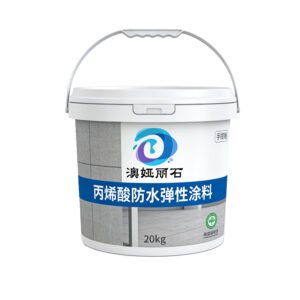
Acrylic Waterproof Elastic Paint | Flexible Roof & Wall Coating
-
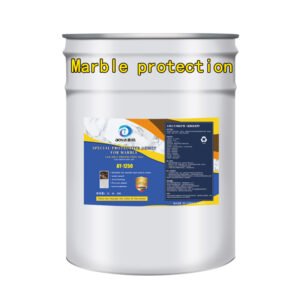
AY1250 Marble Protection – Premium Waterproof & Antifouling Stone Sealer
-
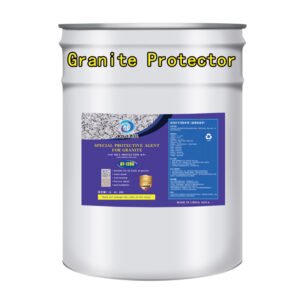
AY1280 Granite Protector – Long-Lasting Waterproof & Antifouling Sealer
-

AY1360 Cultural Stone Protective Agent – Premium Matte Finish Sealer
-
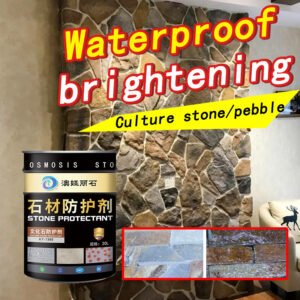
AY1360 Culture Stone Waterproof Sealer
8. Summary Table: Key Takeaways
| Step | Description |
|---|---|
| Surface Preparation | Clean and repair the wall before application |
| Material Selection | Choose waterproof coatings or paints suited for stone |
| Application | Apply two coats for full protection |
| Inspection | Check for gaps and ensure full coverage |
| Maintenance | Reapply every few years for continued performance |
9. Frequently Asked Questions
Q1: How long does stone wall waterproofing last?
When applied properly, waterproof coatings can last between 5 to 10 years depending on environmental conditions and product quality.
Q2: Can I waterproof old stone walls?
Yes, but ensure the surface is cleaned and repaired first. Use penetrating waterproofing agents for better absorption.
Q3: Is waterproof paint better than a waterproofing agent?
They serve different purposes—paints offer surface protection and decorative finish, while agents penetrate for internal moisture defense.
Q4: What weather is best for waterproofing?
Apply in dry, moderate temperatures (15–30°C) to allow proper curing and adhesion.