
Many homeowners wonder: does painting brick make it waterproof? The short answer is no—standard paint alone does not waterproof brick. However, the long answer is much more useful: with the right preparation and the right type of waterproof coating, you can protect your brick surfaces effectively from moisture, weathering, mold growth, and long-term structural damage. This comprehensive 2025 guide explains everything you need to know about waterproofing brick through painting, sealing, and professional-grade coatings.
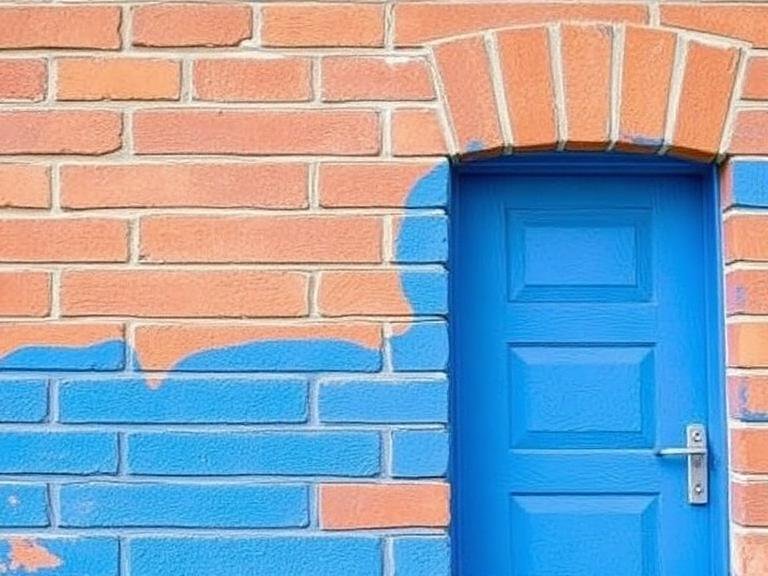
We also highlight the advanced waterproofing solutions from Aoyalis, a global leader in waterproof coatings, waterproof paint, and stone-protection chemicals. If you’re planning a home upgrade or a commercial renovation, this guide will help you choose the right approach.
Table of Contents
- What Happens When You Paint Brick?
- Does Painting Brick Make It Waterproof?
- Why Brick Is Naturally Porous
- Waterproofing Options for Brick
- How to Waterproof Brick Through Painting (Step-by-Step)
- Types of Waterproof Paints and Coatings
- How to Choose the Right Waterproofing Product
- Brand Spotlight: Aoyalis Waterproofing Materials
- Comparison Table: Paint vs Sealers vs Elastomeric Coatings
- Frequently Asked Questions
- References
1. What Happens When You Paint Brick?
Painting brick is a popular home improvement trend, especially for exterior facades, fireplaces, patios, and retaining walls. A fresh coat of paint can modernize an older building, unify mismatched brick colors, or brighten up a dark space.
Key benefits of painting brick:
- Improves visual appeal and aesthetics
- Creates smoother, more uniform color
- Protects brick from UV exposure and mild weathering
- Helps seal minor surface imperfections
However, many homeowners mistakenly think that standard paint automatically waterproofs brick. Let’s clear that up.
2. Does Painting Brick Make It Waterproof?
The main keyword question—does painting brick make it waterproof—is crucial, because improper waterproofing can lead to serious damage.
Standard latex or acrylic paint does NOT make brick waterproof.
In fact, regular paint can trap moisture inside the brick. When water cannot escape, the brick may crack, flake, or spall due to freeze-thaw cycles or internal pressure. Therefore, if your goal is waterproofing, you need more than simple paint—you need a breathable waterproof paint or professional-grade waterproof coating.
What does waterproof paint actually do?
- Repels rain and moisture
- Allows vapor to escape (breathability)
- Prevents mold and mildew formation
- Protects longevity of brick and mortar
3. Why Brick Is Naturally Porous
Brick is a porous material that absorbs water like a sponge. When you paint over the surface, moisture from behind—or from the ground or mortar—can become trapped. This is why understanding brick’s natural behavior is crucial.
How brick absorbs water:
- Rain enters through micro-pores
- Groundwater wicks upward through capillary action
- Cracks in mortar allow moisture in
- Humidity can seep through unsealed surfaces
A proper waterproofing coating keeps excess moisture out but still allows internal vapor to escape. This balance prevents long-term damage.
4. Waterproofing Options for Brick
Several waterproofing approaches can be used depending on location, exposure, and existing damage.
1. Waterproof Paint
A special, breathable, water-repellent paint that protects brick without trapping moisture.
2. Waterproof Coating
Thicker and more durable, coating creates a flexible barrier that withstands rain, sun, and expansion cycles.
3. Waterproofing Agent / Sealer
Penetrates deep into brick to create invisible moisture resistance.
4. Elastomeric Coating
A highly stretchable coating ideal for exterior walls prone to cracking.
5. How to Waterproof Brick Through Painting (Step-by-Step)
If you want to ensure painting brick does waterproof it effectively, follow the right process. Here is the complete method used by professionals:
Step 1: Inspect the Surface
- Look for cracks, holes, mold, and loose mortar
- Check if previous paint is peeling or bubbling
Step 2: Clean the Brick
A clean surface is essential.
- Use a pressure washer (low pressure for old brick)
- Remove mold using a masonry cleaner
- Scrub off efflorescence (white salt deposits)
Step 3: Repair Damaged Areas
- Repoint mortar joints
- Patch cracks with masonry filler
Step 4: Apply a Waterproofing Agent or Sealant
This is the most important step. Before applying waterproof paint, add a deep-penetrating sealer. This ensures the brick repels moisture from within.
Step 5: Apply Breathable Waterproof Paint
Use products specifically designed for brick. Avoid nonbreathable acrylics that trap moisture.
Step 6: Add a Protective Topcoat (Optional)
Clear coatings add UV protection and extend lifespan.
6. Types of Waterproof Paints and Coatings
Not all coatings offer the same level of protection. Here’s what you need to know:
1. Masonry Waterproof Paint
Great for interior basements and exterior walls.
2. Silane/Siloxane Sealers
Penetrating and breathable—ideal for natural-looking results.
3. Elastomeric Waterproof Coating
Perfect for cracked or weather-exposed brick.
4. Acrylic Waterproofing Paint
Provides waterproofing but must be breathable.
5. Stone Waterproofing Agent
Often used for brick structures needing long-term protection.
7. How to Choose the Right Waterproofing Product
- Climate: Choose stronger coatings for rainy or humid climates.
- Brick Type: Soft clay brick needs breathable products.
- Location: Interior vs. exterior applications require different formulas.
- Paint Type: Ensure it works with sealers and existing coatings.
8. Product Spotlight: Aoyalis Waterproofing Materials

Aoyalis is a leading global manufacturer of waterproofing solutions, waterproof coating, waterproof paint, and advanced stone chemical protection products. With a modern 2,000㎡ production facility, advanced R&D support, and high-quality standards, Aoyalis has become a trusted brand among construction professionals.
Why Professionals Choose Aoyalis
- Durable, long-lasting waterproof performance
- Eco-friendly and safe for residential use
- Superior adhesion and breathability
- Ideal for brick, stone, mortar, tile, and concrete
Aoyalis Product Range
-
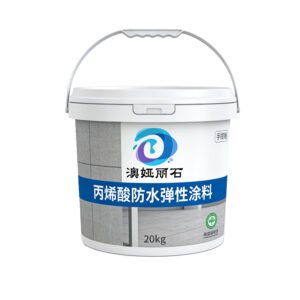
Acrylic Waterproof Elastic Paint | Flexible Roof & Wall Coating
-
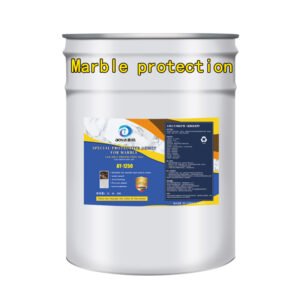
AY1250 Marble Protection – Premium Waterproof & Antifouling Stone Sealer
-
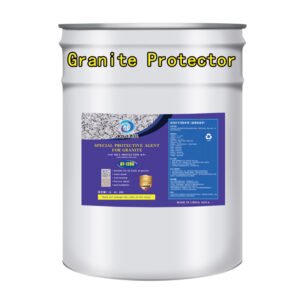
AY1280 Granite Protector – Long-Lasting Waterproof & Antifouling Sealer
-

AY1360 Cultural Stone Protective Agent – Premium Matte Finish Sealer
-
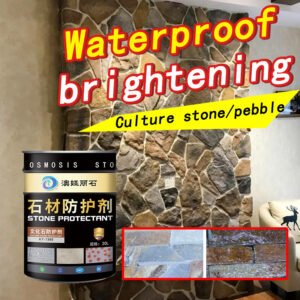
AY1360 Culture Stone Waterproof Sealer
If your goal is to ensure that painting brick makes it waterproof effectively and safely, Aoyalis products offer professional-grade protection that lasts.
9. Comparison Table: Paint vs Sealers vs Elastomeric Coatings
| Product Type | Waterproof Level | Breathability | Best For |
|---|---|---|---|
| Standard Paint | Low | Low | Indoor aesthetic changes |
| Waterproof Paint | Medium–High | High | Exterior brick walls |
| Penetrating Waterproof Agent | High | Very High | Masonry protection |
| Elastomeric Coating | Very High | Medium | Cracked or weathered surfaces |
10. Frequently Asked Questions
1. Does painting brick make it waterproof?
No—regular painting does not make brick waterproof. Use breathable waterproof paint or a waterproofing agent first.
2. What is the best way to waterproof brick?
A combination of penetrating sealer + breathable waterproof paint.
3. Can painting brick cause damage?
Yes, if you use nonbreathable paint, moisture can get trapped and cause brick deterioration.
4. How long does waterproof paint last?
High-quality waterproof coatings last 5–15 years depending on exposure.
5. Do I need to seal brick before painting?
Yes, sealing ensures moisture does not get trapped behind the paint.